RAF Signals Museum
The RAF Signals Museum at Henlow Camp offers a detailed and atmospheric look at the evolution of Royal Air Force communications, charting how signals intelligence shaped military operations from the early twentieth century to the modern era. Set within a historic RAF base, the museum presents original equipment, radios, cipher machines, and field communication tools that reveal the technical ingenuity behind secure messaging and interception. Displays explore the work of wireless operators, the development of radar, and the crucial role of signals units during wartime, particularly in coordinating air defence and gathering intelligence. Personal accounts and reconstructed workspaces add a human dimension, showing the skill and precision required in an often unseen branch of service. Compact yet rich in detail, the museum offers a rare insight into the hidden infrastructure that underpinned RAF effectiveness for decades.
Henlow Camp United Kingdom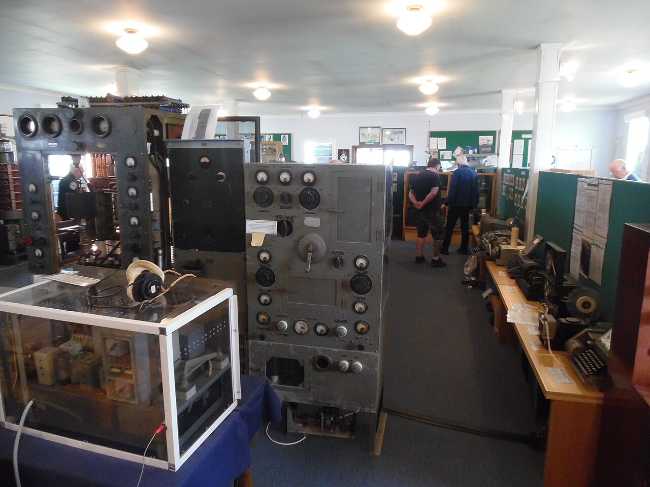
RAF Signals Museum is located at RAF Henlow, Hitchin Road, Henlow Camp, Henlow, Bedfordshire SG16 6DP, inside an active Royal Air Force station. The museum occupies Building 254 and tells the story of RAF signals and electronic warfare from World War I through the Cold War to the present day. Exhibits include early spark transmitters, WWII airborne radios and radar consoles, telegraphic equipment, teleprinters, and a reconstructed ‘Y’ Service intercept room that fed Bletchley Park. Curators display rare sets like the T-1154, R-1224, and AR-88-LF, plus post-war radar, navigation aids, and signals intelligence gear. Access is by prior arrangement with photographic ID, and visitors must report to the Main Guardroom. Note: the museum held its last public open day in June 2024 ahead of RAF Henlow’s planned disposal, though visits may still be arranged by appointment. RAF Henlow sits six miles north of Hitchin on the A600 Bedford Road, with easy access from the A1 and M1. The station itself is historic, opening in 1918 and remaining in continuous RAF service for over a century. Its Grade II listed 1918 ‘Belfast truss’ aircraft hangars are among the last of their type and overlook the grass airfield. The base hosts the RAF Centre of Aerospace Medicine and the Joint Arms Control Implementation Group.