Victoria Bastion Casemates
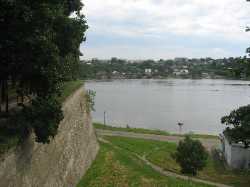
Victoria Bastion Casemates form one of Narva’s most atmospheric historical sites, a hidden world beneath the seventeenth‑century fortifications built during the Swedish era. These vaulted underground chambers once served as storage rooms, shelters and strategic passages, designed to keep the fortress functioning during siege. Today, the casemates reveal a striking blend of raw stone, echoing corridors and carefully restored details that bring their military past to life. Guided visits lead visitors through cool, dimly lit tunnels where the scale of the bastion system becomes tangible, offering a rare look at Narva’s defensive ingenuity. Above ground, the grassy ramparts and views toward the river create a vivid contrast to the subterranean quiet. Together, they form a compelling reminder of the city’s resilience and its long history at the crossroads of empires.
Narva Estonia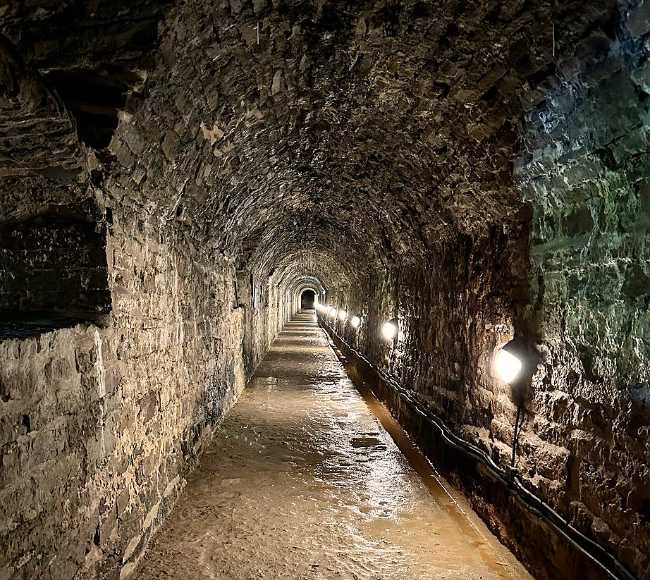
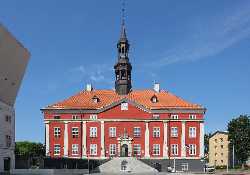
Victoria Bastion Casemates are located on Pimeaia Street in central Narva, Estonia, integrated into the city's 17th-century bastion fortifications near the old town core. This underground network anchors Narva's riveting historic quarter, where layered attractions unfold across ramparts, riverside paths, and castle grounds in a walker-friendly loop. Just minutes north, Hermann Castle rises imposingly on the Narva River bluff, its towers offering panoramas to Russia's Ivangorod Fortress while housing Narva Museum exhibits on border wars and medieval life. The River Promenade hugs the waterfront nearby, a vibrant trail with fountains, sundials, and cafes framing EU-Russia border views perfect for sunset strolls. Narva Art Gallery gleams in the adjacent Gloria Bastion, its vaulted chambers displaying regional canvases amid ammunition stores. Dark Garden crowns the bastions above with shaded walks, the iron cross war memorial, and elevated overlooks of the fortress duo across the water. Town Hall Square adds Baroque flair a short amble away, its clock tower presiding over markets and pedestrian lanes. The Swedish Lion statue poses dramatically close by as a gritty emblem of Swedish sieges, while Peetri Plats hums with artisan stalls and events.
 Museum
 Gallery
 Castle
 Fortress
 Historical Landmark
 Church