Laurentiuse kirik
Laurentius Church is one of Kuressaare’s oldest and most characterful landmarks, a Lutheran parish church whose roots reach back to the 13th century. Originally built in the early medieval period, it has survived fires, wars, and repeated reconstructions, each leaving subtle marks on its architecture. The present stone structure reflects a blend of Gothic and later Baroque influences, with a tall tower that has long served as a navigational point for sailors approaching Saaremaa. Inside, the church preserves a remarkable 17th‑century pulpit and a richly carved altar, both created by local craftsmen during a period of artistic flourishing. One of its most intriguing features is the collection of historic epitaphs and memorial plaques, offering a glimpse into Kuressaare’s merchant and noble families. During the Russian Empire, the church played a central role in the town’s cultural life, hosting concerts and gatherings that shaped local identity. Today Laurentius Church remains an active spiritual centre and a key stop for visitors exploring Kuressaare’s layered past.
Kuressaare Estonia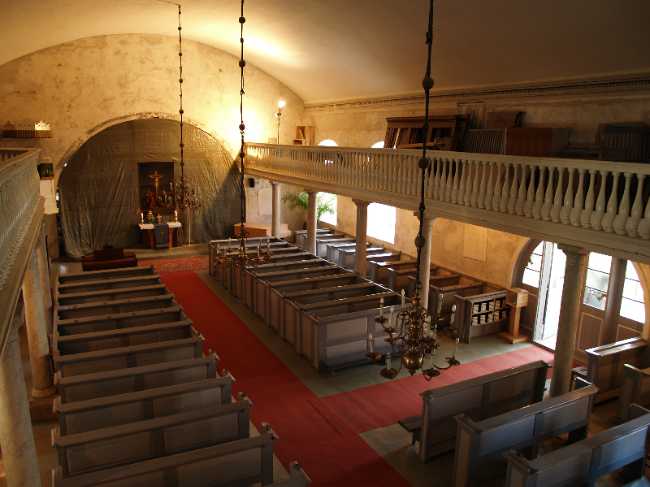
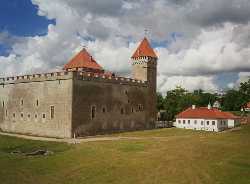
Laurentius Church in Kuressaare is located in the town center, on Tallinna Street, making it easy to reach on foot while exploring the city. It is one of Kuressaare’s notable historic churches and sits in a calm area close to the main streets and public spaces. The church is a good stop if you are walking through central Kuressaare, since several attractions are nearby. You can easily visit Kuressaare Town Hall Square, the old town area, and local landmarks such as the Kuressaare Episcopal Castle, Saaremaa Museum, and the town’s harbor-side promenade. For sightseeing, the strongest nearby highlight is Kuressaare Castle, which is the city’s best-known attraction and a great place to learn about Saaremaa’s history. Other interesting places close by include Thule Koda, the local concert and cultural venues, and the peaceful streets of the historic center, which are pleasant for a short walk.
 Museum
 Castle
 Church
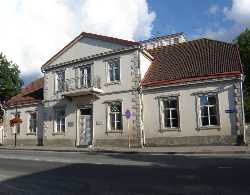 Theatre
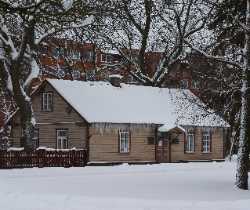 Museum
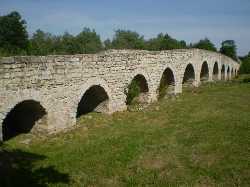 Bridge
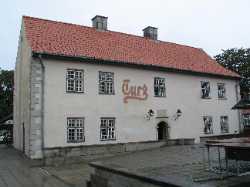 Historical Landmark