Royal Engineers Museum
The Royal Engineers Museum in Gillingham is one of Britain’s most significant military heritage institutions, preserving over 300 years of innovation, engineering skill, and global impact. Its origins lie in the long history of the Corps of Royal Engineers, whose headquarters were based in Chatham for centuries. The museum grew from regimental collections into a major public institution, showcasing how military engineers shaped battlefields, built infrastructure, and supported exploration across the world. One of the most interesting features is the extraordinary range of artefacts: Victorian diving gear, early military bridges, battlefield maps, and equipment used on expeditions from the Arctic to Africa. The museum also holds personal items belonging to famous engineers, including medals awarded for acts of bravery. Its displays reveal how the Royal Engineers pioneered technologies such as photography, surveying, and bomb disposal, often working in extreme conditions. The galleries also explore the human side of engineering—letters, diaries, and reconstructed scenes show the daily lives of soldiers who built roads, railways, and fortifications far from home. Today, the Royal Engineers Museum stands as a powerful testament to ingenuity, resilience, and the global legacy of military engineering.
Gillingham United Kingdom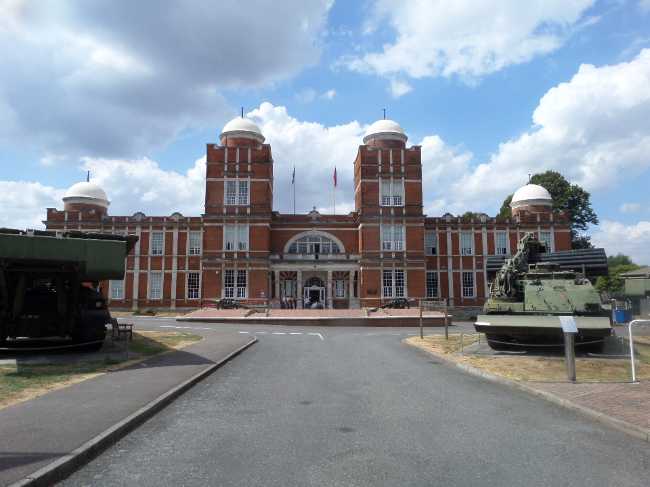
In Gillingham, Kent, the Royal Engineers Museum tells the story of the British Army’s Corps of Royal Engineers, known as the “Sappers.” You’ll find it on Prince Arthur Road, within the historic Brompton Barracks complex where the Corps has been based since 1812. The museum spans centuries of military engineering, from fortress building and bridge construction to bomb disposal and modern humanitarian work. Galleries display Victoria Cross medals, field equipment, maps, and unique items like the massive Wellington Bridge sections and a Harrier jump jet, showing how engineering has shaped military history worldwide. The museum’s location puts it at the center of Medway’s rich military heritage. Right next door is Fort Amherst, an 18th-century Napoleonic fortress with tunnels and ramparts you can explore, offering panoramic views over the River Medway. A short walk brings you to the Historic Dockyard Chatham, where historic warships, a Victorian ropery, and submarine exhibits trace Britain’s naval past. Upnor Castle, a Tudor artillery fort on the riverbank, is also close by and perfect for a riverside stroll. The towns of Rochester and Chatham are nearby too, with Rochester Cathedral and Rochester Castle forming a striking medieval pair. From engineering feats inside to forts and dockyards outside, the museum is an ideal base for discovering Medway’s layered military and maritime story.