Lembitu Park
Lembitu Park in Paide is a calm green space with a name that carries deep historical weight. It honours Lembitu of Lehola, the 13th‑century Estonian elder who led resistance against the crusading forces of the Livonian Order. Although the park itself is modern, its dedication links Paide’s urban landscape to one of the most symbolic figures of Estonia’s early struggle for autonomy. The park developed gradually during the 20th century as Paide expanded beyond its medieval core. Today it serves as a neighbourhood oasis, known for its tall trees, open lawns, and quiet walking paths. Its layout reflects the classic principles of small‑town Estonian park design: simple, spacious, and community‑centred. Locals use it for everyday recreation, from children’s play to seasonal gatherings. An interesting detail is how the park’s name complements Paide’s identity as a “city of history.” While nearby attractions like the Time Centre Wittenstein focus on immersive storytelling, Lembitu Park offers a more reflective connection to the past—an outdoor reminder of Estonia’s early leaders and the endurance of local heritage.
Paide Estonia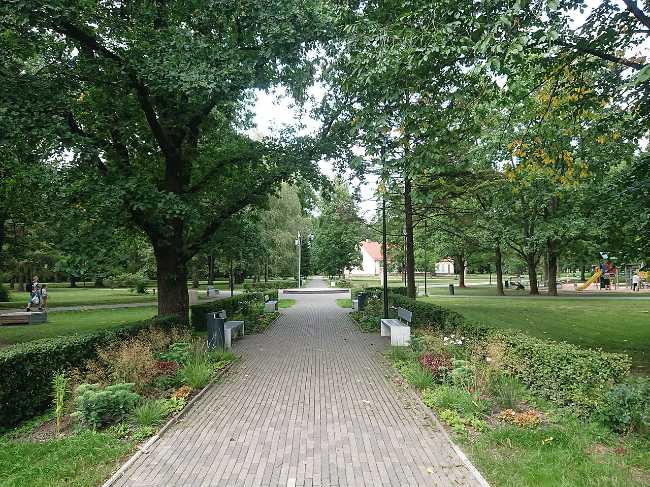
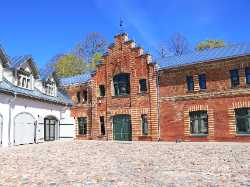
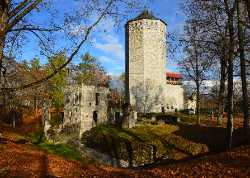
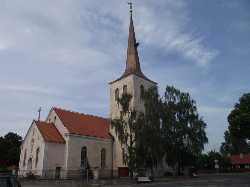
Lembitu Park is a peaceful green space in the heart of Paide, located along Pärnu Street at Tiigi 3 in central Järva County, Estonia. Planned in the 1930s and taking its present shape in the 1980s, the park is a quiet retreat with mature trees, open lawns, and shaded walking paths. Inside the park stands the Järvamaa Museum building, making it a pleasant spot to combine a nature walk with a visit to the regional museum. The monument to Estonian historical figure Lembitu is also located here, giving the park its name. Nearby attractions include Paide Town Hall and the main market square (Keskväljak), just a few minutes’ walk away, as well as Paide Church (Holy Cross Church) with its distinctive southern tower. The famous Paide Castle ruins and the white Vallitorn (Castle Tower) are also close by on Vallimäe hill, offering panoramic views of the town. Other walking-distance sights include the Paide Cultural Center and Paide Theatre, the Wittenstein Activity Museum, SA Ajakeskus Wittenstein, and the Paide Water Tower. For nature lovers, short trips from the park lead to Väätsa Nature Park, Väätsa Manor, and the Kakerdaja Bog nature trail, one of Järva County’s most scenic outdoor destinations.
 Museum
 Museum
 Museum
 Church