Sangaste Castle
Sangaste Castle, often called the “Estonian Windsor,” is one of the most striking neo‑Gothic manors in the Baltics. Built between 1879 and 1883 for Count Friedrich Georg Magnus von Berg, it reflects his admiration for English architecture, especially the romantic style of Windsor Castle. Its red‑brick façade, asymmetrical towers, and sweeping parkland give it a distinctly aristocratic character unusual for rural Estonia. An interesting fact is that the count, known for his progressive ideas, was fascinated by agriculture and became famous for developing Sangaste rye, a hardy grain still cultivated today. The castle’s design also incorporated modern innovations of its time, including central heating and advanced ventilation—features rare in Estonian manor houses of the 19th century. During the 20th century the castle survived wars, shifting borders, and Soviet nationalisation, serving various roles from a school to a research facility. Today it is restored as a cultural and tourism centre, hosting exhibitions, concerts, and weddings while preserving the atmosphere of a grand noble residence.
Lossiküla Estonia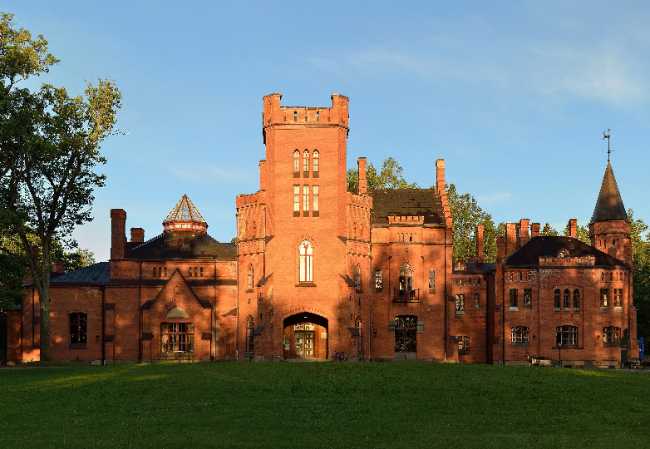
Sangaste Castle is a neo‑Gothic castle located in Lossiküla in Sangaste, about 30 minutes by bus from the town of Valga in southern Estonia. The castle stands in a quiet, scenic part of Valga County, surrounded by parkland and farmland. Built in the 19th century, Sangaste Castle is known for its romantic neo‑Gothic architecture, historic interiors, and beautiful grounds. The castle now serves as an event venue and hotel, and visitors can also explore the old stables, dairy, barn, water tower, and arboretum on the estate. Nearby attractions include Sangaste Mõisa Ringtall (the manor’s riding ring), the Harimäe observation tower with views over the surrounding countryside, and the Sooru and Hummuli open‑air stages used for local festivals. The Paju Battle Memorial, a significant site from Estonia’s War of Independence, is also in the area, as is the charming Hummuli Manor. A short drive away, you’ll find Urvaste Church and Urvaste Manor, and the pretty town of Otepää, known as the “winter capital” of Estonia, with its golf center, lake, and nature trails. The nearby Kuutsemäe Holiday Center and various farm tourism sites, such as Nakatu turismitalu, offer additional activities for families and outdoor enthusiasts.