Wisbech Castle
Wisbech Castle is a historic landmark with a story far older than its elegant Georgian exterior suggests. The site originally held a Norman motte‑and‑bailey fortress built shortly after the Conquest to secure the Fenland frontier. Over the centuries it evolved into a powerful bishop’s residence, serving as a place of administration, hospitality, and—most famously—imprisonment. An interesting fact is that several Catholic recusants, including the Jesuit priest Edmund Campion, were held here during the 16th century, giving the castle a notable place in England’s religious history. The medieval structure was largely demolished in the 17th century, and the current building dates from the 1790s, designed in a graceful neoclassical style that contrasts sharply with its turbulent past. Its circular room, known as the Rotunda, is one of its most distinctive features and reflects the architectural tastes of the Georgian era. In later years the castle served as a private residence, a school, and a civic venue, each chapter adding layers to its character. Today Wisbech Castle is a community‑focused heritage site, hosting exhibitions, events, and guided tours that reveal both its hidden archaeology and its long role in shaping the town’s identity.
Wisbech United Kingdom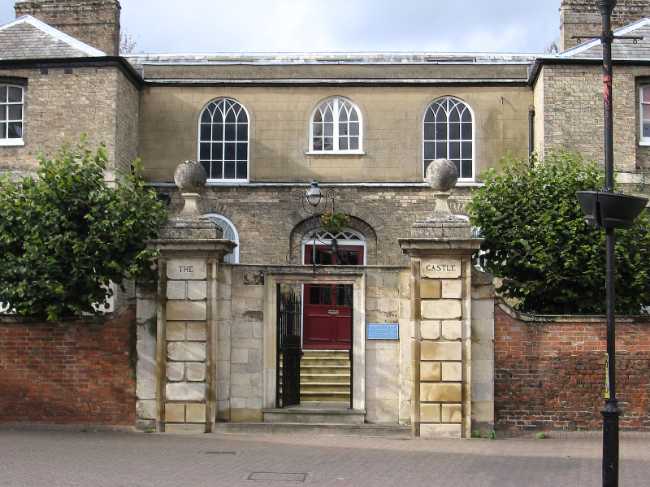
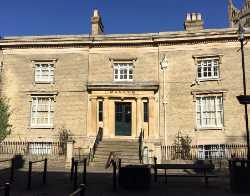
Wisbech Castle is located in the market town of Wisbech in Cambridgeshire, England, in the heart of the Fens. Though called a castle, the current building is a Regency villa built in the early 19th century on the site of a much older Norman fortress. The original medieval castle was established soon after the Norman Conquest to control the surrounding fenland. Over the centuries it served as a bishop’s palace and a prison, most famously holding Catholic priests during the reign of Elizabeth I. Today the villa is owned by the town council and houses a museum and community spaces. Inside you can explore rooms that tell the castle’s layered history, from Norman foundations in the vaulted cellars to Regency architecture above. Displays cover the building’s many uses, local archaeology, and Wisbech’s role in the social reform movement. The gardens behind the villa are a quiet spot to sit and reflect, with views of the moat outline that still traces the medieval defenses. Right in Wisbech town center you’ll find the Georgian Crescent, an elegant row of townhouses overlooking the River Nene, and Peckover House, a National Trust property with fine interiors and a two-acre Victorian walled garden. The Wisbech & Fenland Museum, one of the oldest museums in the country, holds collections ranging from natural history to manuscripts. For more nature, the RSPB Nene Washes reserve is a short drive away, offering wetlands, bird hides, and seasonal wildflower meadows.
 Museum