Piel Castle
Piel Castle is one of Cumbria’s most atmospheric ruins, standing alone on Piel Island and surrounded by the shifting tides of Morecambe Bay. Built in the early 14th century by the monks of Furness Abbey, it served as a fortified warehouse to protect their trading interests. An interesting fact is its link to Lambert Simnel’s 1487 rebellion: the pretender to the English throne is said to have landed here with his supporters, giving the island a brief moment of dramatic political intrigue. Inside the ruins, visitors can explore the remains of the keep, curtain walls, and corner towers that once formed a compact but sturdy fortress. The layout is still easy to follow, with doorways, stair bases, and window openings revealing how the castle functioned as both a defensive outpost and a storage site. The grassy courtyard offers sweeping views across the bay, and the sense of isolation adds to the castle’s unique charm. Reaching Piel Castle requires a ferry or a careful walk across the sands at low tide, making the visit feel like a small adventure.
Barrow-in-Furness United Kingdom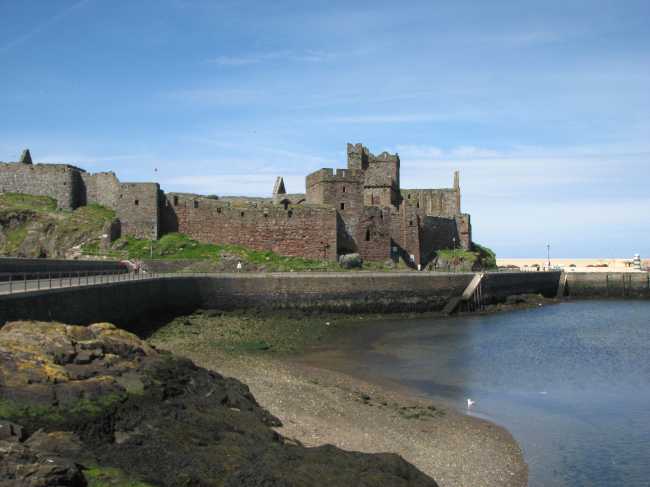
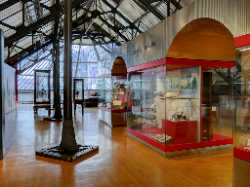
Piel Castle stands on Piel Island, a 50-acre islet half a mile off the southern tip of the Furness Peninsula in Cumbria. The island sits in Morecambe Bay, just beyond Roa Island and about three miles south of Barrow-in-Furness. Built in the early 14th century by the Abbot of Furness, the castle guarded the harbour and the abbey’s trade routes against Scots raiders and pirates. Access is by a small seasonal ferry from Roa Island, usually running Easter to October, weather permitting. Once ashore you can roam the ruins, walk the island’s grassy paths, and watch wading birds on the shore. The island is a Site of Special Scientific Interest and home to just a handful of residents. The only other building is The Ship Inn, a historic 18th-century pub whose landlord is traditionally crowned the “King of Piel”. Visitors can sit in the large oak chair and be named a “Knight of Piel” while enjoying ale and views across to the Lake District fells. Nearby attractions include Furness Abbey, a spectacular 12th-century ruin six miles north, and The Dock Museum in Barrow, which covers local maritime and social history. South Walney Nature Reserve offers birdwatching and seals, while Earnse Bay and Bardsea Beach provide wide sandy shores. Rampside, with its slender Victorian shore-edge lamp tower, marks the causeway to Roa Island where the ferry departs.
 Museum