The Beacon Museum
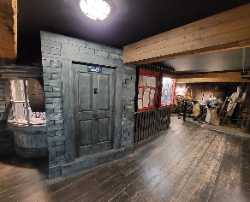
The Beacon Museum in Whitehaven is a lively, modern museum that brings West Cumbria’s history to life through hands‑on exhibits and striking displays. Overlooking the harbour, it explores everything from the town’s maritime past to its role in scientific innovation. One interesting fact is that the museum holds rare artefacts connected to the area’s coal‑mining and seafaring heritage, including objects recovered from historic shipwrecks along the Cumbrian coast. Inside, visitors can explore themed floors that mix storytelling with interactive technology. The harbour and maritime galleries showcase navigation instruments, ship models and tales of Whitehaven’s once‑global trading links. The industrial heritage section highlights mining, local craftsmanship and the region’s transformation during the Industrial Revolution. A standout feature is the Sellafield Story, an exhibition explaining the science and history of nuclear research in a clear, accessible way.
Whitehaven United Kingdom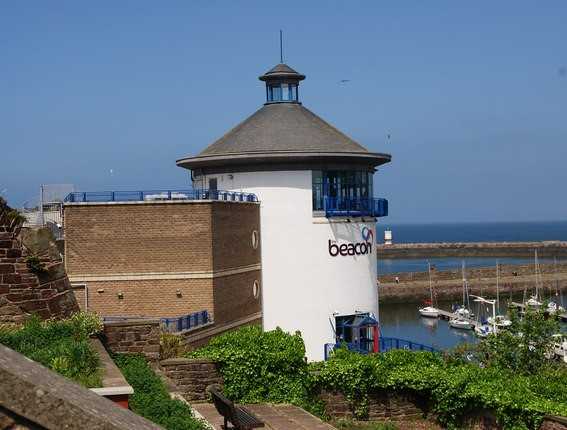
The Beacon Museum is located on the harbourfront in Whitehaven, a Georgian town on Cumbria’s west coast. The museum occupies a converted 19th-century warehouse and lighthouse overlooking the marina, making it easy to spot with its distinctive tower. You’re right on Whitehaven Harbour, a revitalised marina lined with restaurants, cafés, and fishing boats. The harbour is part of The Cumbria Coastal Way, so you can walk along the sea wall toward St Bees Head, a dramatic red sandstone cliff and RSPB reserve famous for seabird colonies. A short walk into town brings you to Whitehaven’s Georgian grid streets, laid out in the 1600s and lined with historic buildings, independent shops, and the Rum Story museum in the old wine merchants’ cellar. The Lake District National Park is about 20 minutes inland, with Ennerdale Water and Loweswater offering quieter lakes and fells compared to the central area. For history, the western end of Hadrian’s Wall is nearby at Ravenglass and Maryport, where you’ll find Roman fort remains and coastal museums. And if you follow the coast north, you’ll reach Silloth with its Victorian seaside promenade and wide views across the Solway to Scotland.
 Museum