Cathedral of St. Teresa of Avila
The Cathedral of St. Teresa of Avila is one of Subotica’s most elegant landmarks, a Baroque jewel built in 1779 when the city was part of the Habsburg Empire. Dedicated to the great Spanish mystic, it reflects the cultural ambitions of a frontier town eager to express its Catholic identity through refined architecture. Its façade, with twin towers and soft curves, stands out against the flat Pannonian landscape. Inside, visitors are greeted by a magnificent Baroque altar, richly carved and gilded, featuring a painting of St. Teresa that blends Central European artistry with Spanish devotional themes. The cathedral’s organ, installed in the 19th century, is one of its most treasured features; its warm, resonant sound still accompanies concerts and major liturgical celebrations. The interior walls display delicate frescoes and sculptures, including representations of Carmelite saints that highlight the cathedral’s spiritual heritage. Particularly interesting is the collection of liturgical silverware, crafted by local artisans who supplied churches across the region. The quiet side chapels offer moments of reflection, each with its own artwork and devotional focus.
Subotica Serbia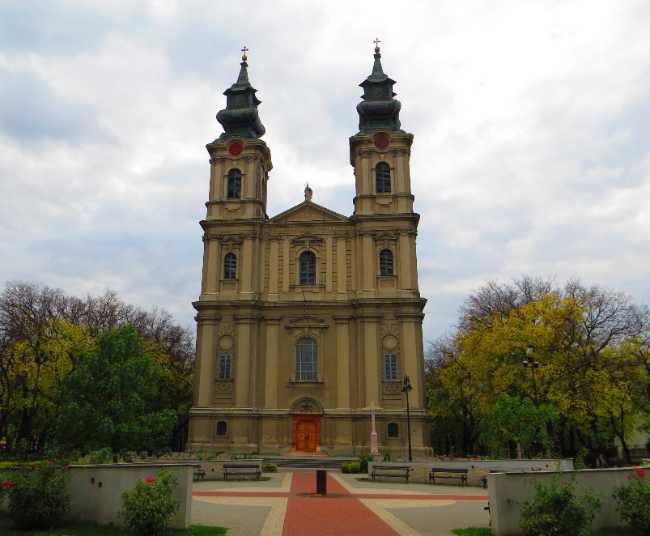
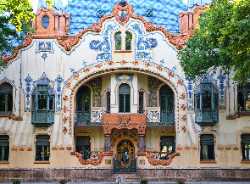
The cathedral is located at Trg Sv. Terezije 1, Subotica 24000, Serbia. It sits on Saint Teresa Square, right near the western edge of the city center. Because the cathedral is positioned right by the historic core, you can easily walk to Subotica's finest cultural sights. A short stroll east brings you to the monumental Subotica City Hall and the central pedestrian promenade on Korzo street, which is lined with historic palaces such as the French Neo-Renaissance Vojnić Palace. Heading north leads straight to the grand Subotica Synagogue and the City Museum inside the Mikša Dömötör Palace. Other nearby attractions include the Porcelain Museum, the Franciscan Church and Monastery, and the Art Nouveau Raichle Palace.
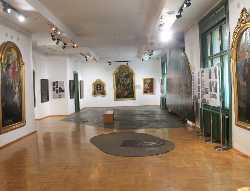 Museum
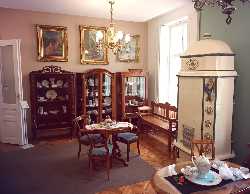 Museum
 Gallery
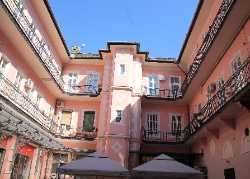 Palace
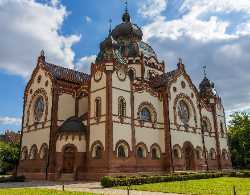 Synagogue
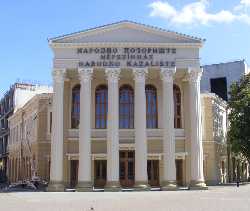 Theatre