Subotica Synagogue
The Subotica Synagogue is one of Europe’s most beautiful Jewish temples and a masterpiece of Hungarian Art Nouveau. Completed in 1902, it was designed by Marcell Komor and Dezső Jakab, the same architects behind Subotica’s iconic City Hall. Its exterior, with colourful Zsolnay ceramic tiles and flowing floral motifs, makes the building look almost like a luminous sculpture rising from the city’s quiet streets. Inside, the synagogue reveals an even more breathtaking world. The central dome, supported by slender, tree‑like columns, fills the space with soft natural light. The interior decoration blends Jewish symbolism with Secessionist aesthetics: stylised pomegranates, vines, and geometric patterns appear in stained glass, wall paintings, and carved woodwork. The stained‑glass windows are among its greatest treasures, casting warm hues across the pews and creating a serene, dreamlike atmosphere. A particularly interesting feature is the women’s gallery, whose curved balconies and delicate ornamentation showcase the architects’ belief that sacred spaces should feel both intimate and uplifting.
Subotica Serbia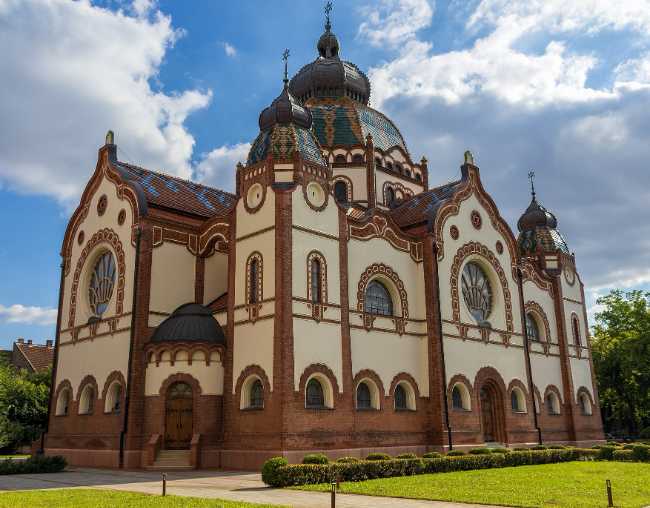
The synagogue is located at Trg Jakaba i Komora 6, Subotica 24000, Serbia. It stands on the square named after its original architects, right in the heart of the historic city center. Because the synagogue is set right in the historic core, you can easily explore many of Subotica's top cultural sights on foot. Directly across the square sits the Mikša Dömötör Palace, which houses the City Museum Subotica. A short stroll down the avenue brings you to the monumental Subotica City Hall and the historic Korzo pedestrian street, where you can admire the French Neo-Renaissance Vojnić Palace. You are also just minutes away from the Cathedral of Saint Teresa of Avila, the Porcelain Museum, and the whimsical Raichle Palace, which features a gallery of contemporary art.
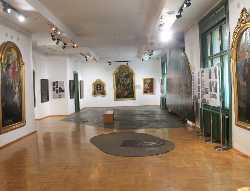 Museum
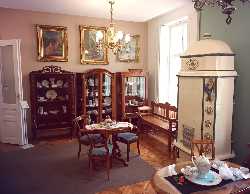 Museum
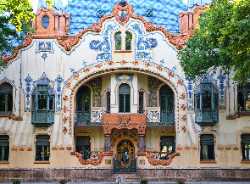 Gallery
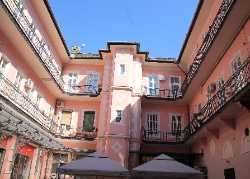 Palace
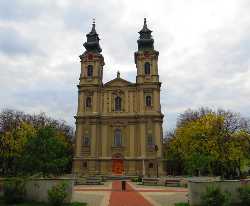 Cathedral
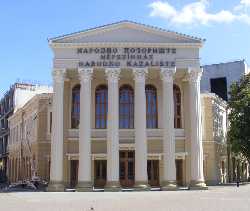 Theatre