Muzeu i Masakrës Krushë e Madhe
The Museum of the Krusha e Madhe Massacre stands as one of Kosovo’s most solemn memorial sites, preserving the memory of 241 civilians killed in March 1999. What makes this museum particularly striking is its location: it occupies the former village school, the very place where many victims were gathered before being executed. This direct connection to the events gives the museum an atmosphere that is both intimate and deeply affecting. Inside, visitors encounter carefully preserved personal belongings recovered from the fields and riverbanks—watches frozen at the moment of death, children’s shoes, fragments of clothing, and everyday objects that anchor the tragedy in human detail. One of the most compelling exhibits is the room dedicated to the missing, where photographs line the walls, forming a silent archive of lives interrupted. The museum also presents forensic documentation from exhumations, offering insight into the painstaking work of identifying victims. A reconstructed classroom shows how the building once served the community before becoming a site of horror. Audio testimonies from survivors add emotional depth, allowing visitors to hear firsthand accounts of escape, loss, and resilience.
Rahovec Kosovo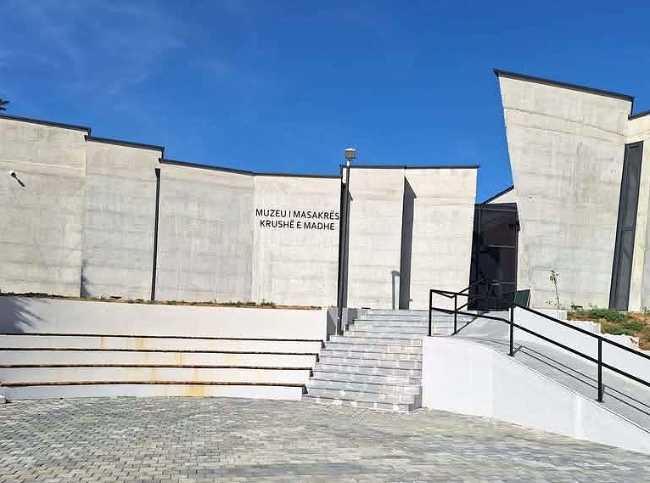
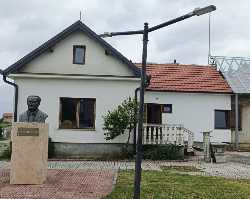
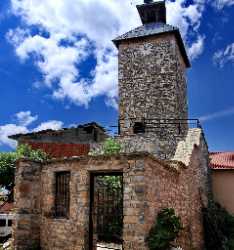
The Massacre Museum of Krushë e Madhe sits in the village of Krushë e Madhe itself, within the municipality of Rahovec in western Kosovo. You will find it as part of the memorial complex right by the graves of those lost in the events of late March 1999. From the village roundabout head west past the primary school and turn left; the building is straightforward to reach once you are in the centre of the village. Just a short walk away in the same village stands the Museum of Ukshin Hoti, another quiet place of remembrance. A little further into Rahovec town you can visit the old Clock Tower, a solid Ottoman landmark that has watched over the streets for more than two centuries. The surrounding hills and valleys are famous for their vineyards, and several family-run wine cellars welcome visitors for tastings of the local Vranac and other varieties. Not far along the road toward Suharekë lie the historic villages of Hoça e Madhe and Zoçishtë, where old Orthodox monasteries still stand among the vines and offer a sense of the region’s deeper layers of history. Higher up, the remains of Zatriq Fortress overlook the landscape, giving a wide view across the plain and a reminder of the area’s medieval past.
 Museum
 Historical Landmark