Clock Tower
The Clock Tower of Rahovec is one of the town’s most recognizable landmarks, rising above the old quarter with its simple stone silhouette. Built in the late 19th century, it served as both a timekeeper for local merchants and a symbol of civic order during the Ottoman period. Its mechanism once regulated daily rhythms in the bustling wine‑producing town, marking work hours, prayer times, and market activity. Inside, visitors can climb the narrow wooden staircase that leads to the upper chamber. The interior is intentionally modest, preserving the tower’s original functional character. The most interesting feature is the old clock mechanism itself: a weight‑driven system with iron gears and a pendulum that required manual winding. Although no longer in operation, it remains a fascinating example of traditional craftsmanship. The viewing level offers a close look at the bell, cast with decorative motifs typical of the region. From the small windows, you can see the patchwork of vineyards surrounding Rahovec—a reminder of the town’s long connection to winemaking. Historical panels explain how the tower survived periods of conflict and how local artisans restored its structure without altering its authentic form.
Rahovec Kosovo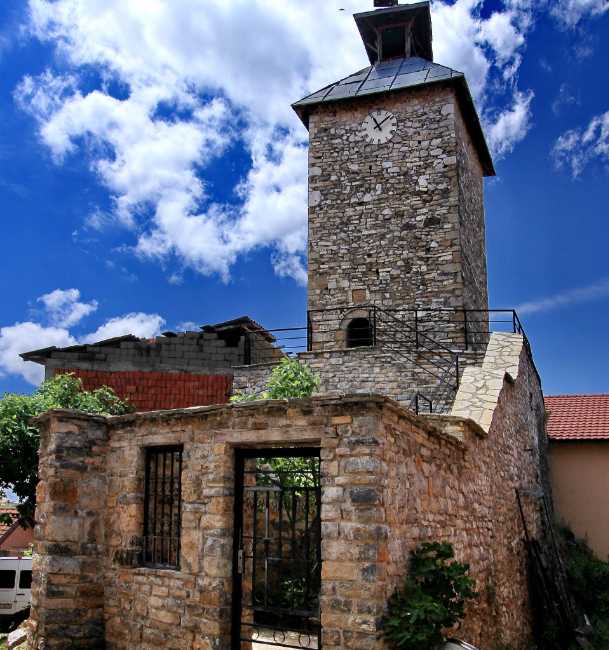
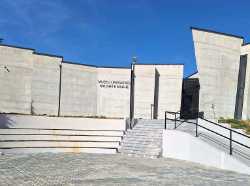
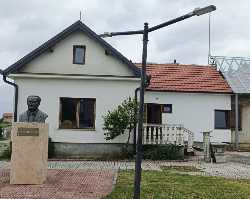
The Clock Tower of Rahovec, known locally as Sahat Kulla, stands in the heart of the old town on Kongresi i Manastirit street, close to the Tekke of Shejh Ilijaz Shehu. Built in the early 1790s by Mahmud Pasha, it rises as the tallest and oldest landmark in the city and has long served as both a timekeeper and a quiet observation point over the streets below. Just around the corner you will find the Great Tekke and other historic tekkes that give a sense of the town’s Sufi heritage. A short walk away is the Church of the Dormition of the Mother of God, still watched over and part of the mixed cultural fabric of Rahovec. The town is famous for its vineyards, and several old wine cellars sit nearby where you can taste the local wines that have made this region well known. A short drive takes you to the village of Krushë e Madhe, home to the Massacre Museum and the Museum House of Ukshin Hoti. Further along the road toward Suharekë lie the historic villages of Hoça e Madhe and Zoçishtë with their old Orthodox monasteries set among the vines. Higher up, the remains of Zatriq Fortress offer wide views across the plain.
 Museum
 Museum