Muradie Mosque
Muradie Mosque is one of Vlorë’s most distinctive landmarks, a rare survivor from the 16th century that reflects the city’s Ottoman past. Built around 1537, it is traditionally attributed to the architect Mimar Sinan, the master builder of Suleiman the Magnificent. Its design is unusually harmonious: a square prayer hall topped with a graceful dome and a slender minaret that rises lightly above the old town. The exterior stonework, alternating layers of brick and limestone, gives the mosque a warm, textured character that stands out among nearby buildings. Inside, visitors find a calm, intimate space shaped by simplicity rather than lavish decoration. The mihrab is carved with delicate geometric motifs, and the wooden balcony adds a touch of traditional craftsmanship. Soft natural light filters through small windows, creating a serene atmosphere ideal for reflection. One interesting detail is the mosque’s acoustics, which were engineered to carry the imam’s voice clearly without amplification—an impressive feat for a structure of its age. Muradie Mosque remains an active place of worship, but it also welcomes visitors who want to experience one of Vlorë’s most elegant historic treasures.
Vlorë Albania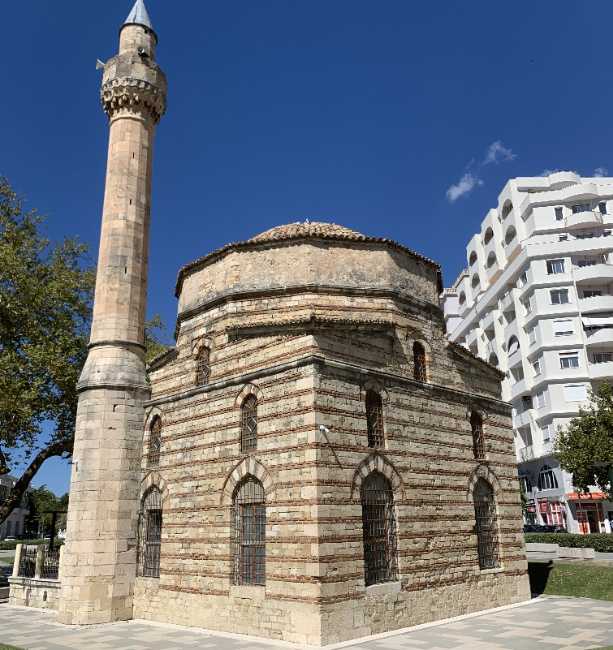
The Muradie Mosque is located right in the vibrant center of Vlorë, Albania, sitting along Rruga Justin Godart near the main Ismail Qemali Boulevard. Positioned at a central historical crossroads, this 16th-century landmark designed by the famous Ottoman architect Mimar Sinan is very easy to spot and access on foot. Because of its central spot, you can quickly walk to several of Vlorë’s major cultural attractions. Just a few minutes down the road is Flag Square, home to the massive Independence Monument and the Tomb of Ismail Qemali. Right around the same area, you will run into the Historical Museum of Vlorë and the Ethnographic Museum, both of which give a fascinating look into local heritage and traditional life. If you are up for a short climb, head up to Kuzum Baba, a Bektashi hilltop site that gives you the best panoramic views of the city and the bay. Further south near the harbor lies the National Museum of Independence, located in the historic building where Albania’s statehood was born in 1912. For castle lovers, Kanina Castle is perched on the hills just a short drive away, offering ancient ruins and great sunset spots.
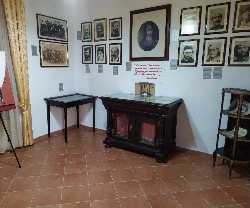 Museum
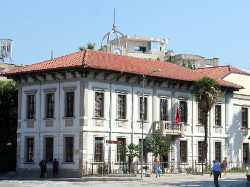 Museum
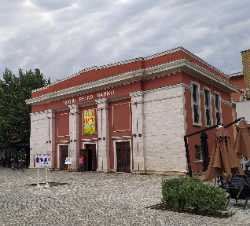 Theatre