Eyam Museum
Eyam Museum offers one of Derbyshire’s most compelling and moving heritage experiences, telling the story of the village that famously chose self‑sacrifice during the plague outbreak of 1665–1666. When infection arrived via a bundle of cloth from London, Eyam’s residents—guided by Reverend William Mompesson and Thomas Stanley—agreed to isolate themselves to prevent the disease spreading to nearby communities. Their decision saved countless lives but cost many of their own, a story the museum presents with clarity and emotional depth. Inside, visitors follow a chronological narrative of the plague: how it arrived, how families coped, and how the village organised food deliveries and burial practices. Personal accounts, letters, and reconstructed scenes show the human side of the tragedy, including the famous tale of Elizabeth Hancock, who buried her entire family alone on the hillside. The museum also explores Eyam’s wider history. Exhibits on local geology, lead mining, and domestic life reveal how the village developed before and after the plague. Artefacts from everyday households, tools, clothing, and archaeological finds help paint a fuller picture of life in this remote Peak District community.
Eyam United Kingdom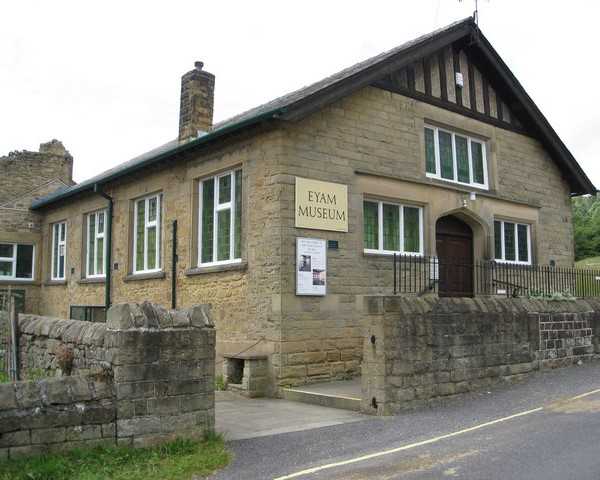
Eyam Museum is an engaging village museum located in the famous "plague village" of Eyam in Derbyshire, England. Its official address is Hawkhill Road, Eyam, Hope Valley, Derbyshire S32 5QP. Housed in a former Methodist chapel, the museum tells the moving story of how the local villagers selflessly quarantined themselves in 1665 to prevent the Bubonic Plague from spreading across northern England, while also detailing the area's rich history of lead mining, geology, and local industries. Situated right in the historic heart of the village, the museum makes an ideal starting point for exploring many connected heritage sites on foot. Just down the street, you can view the famous Plague Cottages where the outbreak first began, or visit St. Lawrence Church, which features an 8th-century Saxon cross and historic records of the plague victims. A short walk through the village leads to Eyam Hall, a wonderfully preserved 17th-century Jacobean manor house with charming gardens and craft shops.On the outskirts of the village, you can hike up to the Riley Graves, a poignant open-air historic site where seven members of a single family were buried in a field. Just a short drive away, history enthusiasts can explore the dramatic limestone ravine of Stoney Middleton, visit the Peak Cavern and Speedwell Cavern systems in Castleton, or take a quick trip to Chatsworth House and Haddon Hall, making the area a captivating destination for a full day of sightseeing.