Lydford Castle and Saxon Town
Lydford Castle and the surrounding Saxon town form one of Devon’s most atmospheric historic landscapes, where early medieval settlement meets later Norman power. The castle itself, built in the 13th century, is not a typical fortress but a grim purpose‑built prison for the powerful Stannary courts, which governed Dartmoor’s tin‑mining industry. Its stark, square tower once held prisoners accused of mining offences, and its reputation was so harsh that “Lydford Law” became a saying for rough justice. Inside, visitors can explore the lower chambers where prisoners were kept in dark, cramped conditions, and the upper rooms used by officials overseeing the courts. Interpretation panels explain how the building evolved from a defensive earthwork into a feared administrative centre. The thick stone walls, narrow windows and simple layout give a vivid sense of its austere function. Just beyond the castle lies the site of the Saxon town, once one of Devon’s most important settlements. Earth banks mark the line of the original burh, a fortified enclosure established in the 9th century to defend against Viking raids. Walking through the village reveals traces of this early layout, along with St Petroc’s Church, which stands on a site of worship dating back over a thousand years.
Lydford United Kingdom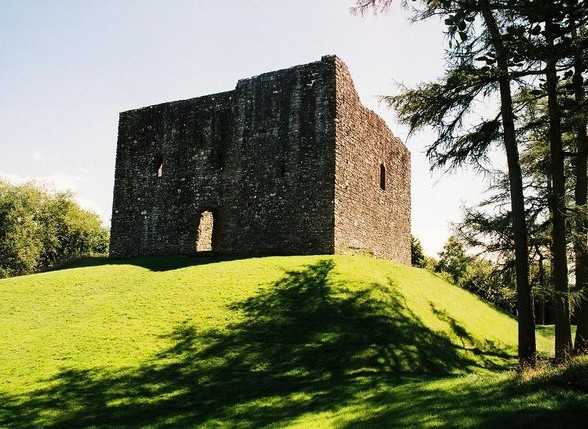
Lydford Castle and Saxon Town is a fascinating historic site set on the western edge of Dartmoor National Park in Devon, England. The official address is Lydford, Okehampton, Devon, EX20 4BH, United Kingdom. Managed by English Heritage, the location preserves the remains of a fortified Saxon town built to defend against Viking raids, as well as a thirteenth-century stone castle keep that once served as a notorious prison and courthouse for local mining laws. Visitors can explore the earthen Saxon ramparts, walk through the stone tower ruins, and see the nearby Norman earthwork fort. The surrounding Dartmoor countryside features many incredible historic and natural attractions nearby. Just a short journey to the north sits Okehampton Castle, the picturesque ruins of a massive medieval castle tucked inside a wooded river valley. Nature lovers can visit Lydford Gorge, a dramatic National Trust ravine featuring lush ancient woodland, deep rock pools, and Whitelady Waterfall. To the south lies Tavistock, an ancient stannary market town that forms part of the region's mining heritage site, housing the Tavistock Museum and impressive abbey ruins. Further east on the moor, history enthusiasts can discover the Merrivale Prehistoric Settlement, an impressive complex of stone rows, burial cairns, and standing stones.