Dartmoor Prison Museum
Dartmoor Prison Museum offers one of Devon’s most striking and unusual heritage experiences, revealing over two centuries of lifeDartmoor Prison Museum offers one of Devon’s most striking and unusual heritage experiences, revealing over two centuries of life inside one of Britain’s most remote and storied prisons. Located beside the still‑active Dartmoor Prison at Princetown, the museum traces the site’s origins to 1809, when it was built to house French and American prisoners of war during the Napoleonic conflicts and the War of 1812. Their carved bone artefacts, model ships and personal items remain among the museum’s most fascinating displays. Inside, visitors can explore original uniforms, restraint devices, escape tools and photographs that document the evolution of prison life—from harsh 19th‑century regimes to modern correctional practices. The museum’s collection of handmade weapons and improvised objects offers a rare glimpse into the ingenuity and desperation of inmates. Detailed panels recount famous escapes, riots and the daily routines that shaped life behind the walls. One standout exhibit is the recreated cell, allowing visitors to step into the cramped conditions experienced by generations of prisoners.
Princetown United Kingdom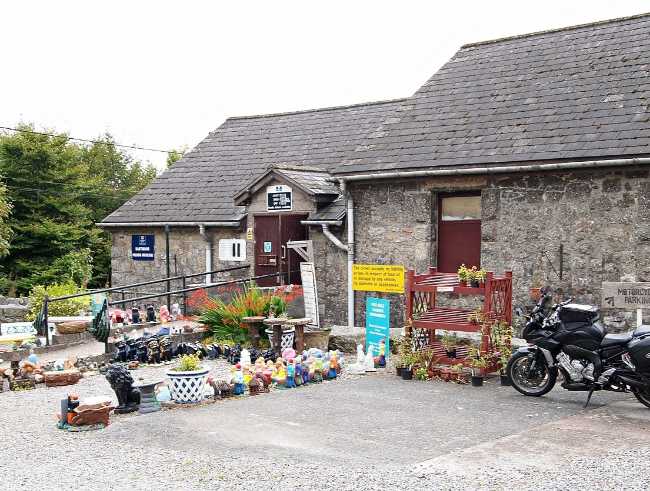
Dartmoor Prison Museum sits in the high moorland village of Princetown at HMP Dartmoor, Princetown, Devon, PL20 6RR. You’ll find it right beside the famous prison, housed in the old farm dairy buildings, though the museum itself is completely separate from the working jail. Just a short walk away is the Princetown National Park Visitor Centre, full of displays about the surrounding landscape and a good place to pick up ideas for exploring. The village church of St Michael and All Angels, built by early prisoners of war, stands nearby and adds another quiet layer of history. North Hessary Tor rises above the settlement, offering wide views across the open moor if you fancy a short climb. All around lies Dartmoor National Park itself, with its granite tors, quiet paths and wild open spaces. Everything is close enough that you can move from the museum’s stories of prison life to the visitor centre, the church or a walk on the moor without any rush, taking in the high, windswept setting as you go.