Nothe Fort
Nothe Fort is one of Dorset’s most atmospheric coastal defences, a massive Victorian fortress guarding the entrance to Weymouth Harbour. Completed in the 1870s, it was part of Britain’s response to rising European naval power, designed to withstand heavy bombardment and protect the fleet anchored nearby. Its labyrinth of passages, magazines, and gun decks makes it one of the best‑preserved forts of its kind. Inside, visitors can explore the underground magazines, where ammunition was stored in cool, dimly lit chambers. The gun decks showcase original artillery positions, complete with displays explaining how Victorian gunners operated the fort’s powerful cannons. The Engine Room reveals the machinery that once powered the fort’s communications and lighting, while the casemates house exhibitions on coastal defence, wartime life, and Weymouth’s military history. One of the most engaging areas is the WWII display, featuring recreated barracks, uniforms, and equipment that bring the fort’s later service to life. The rooftop offers sweeping views across Portland Harbour and the Jurassic Coast, showing exactly why this location was so strategically important.
Weymouth United Kingdom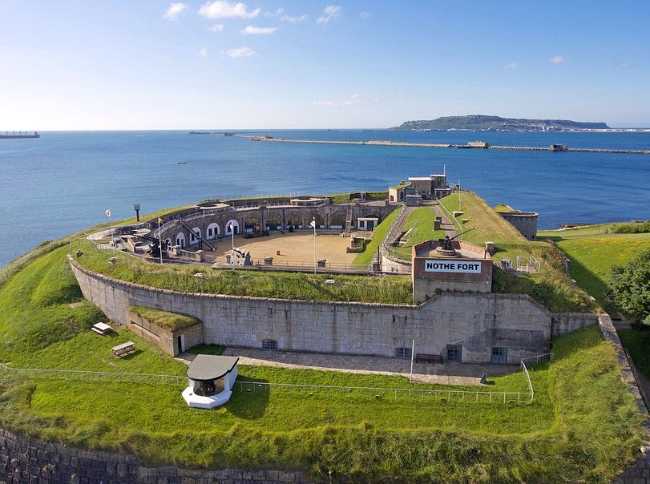
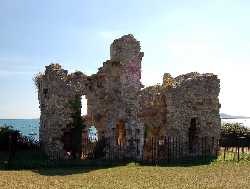
Nothe Fort sits dramatically on the edge of the Nothe Peninsula, guarding the entrance to Weymouth Harbour and Portland Harbour in Dorset. Its full postal address is Barrack Road, Weymouth, Dorset, DT4 8UF. Constructed by the Victorians between 1860 and 1872 to defend against potential French invasion, this coastal fortress features three levels of stone ramparts, historic heavy artillery, a maze of underground passageways, and panoramic views stretching across the Jurassic Coast. The surrounding town of Weymouth and the Isle of Portland offer a wealth of historical landmarks and cultural attractions within a short distance. Just across the water in Weymouth town centre, history enthusiasts can visit the Tudor House Museum, a restored seventeenth-century merchant home, or browse local displays at the Weymouth Museum. Strolling along the bustling harbour leads to the historic Weymouth Esplanade, famous for its preserved Georgian architecture and sea views.Directly linked by the scenic Rodwell Trail path along the coastline stand the ruins of Sandsfoot Castle, a sixteenth-century Tudor device fort built by King Henry VIII. Further across the harbour on the Isle of Portland, visitors can explore Portland Castle, another Tudor artillery fort that remains remarkably intact. Heading further south onto the island reveals Tout Quarry Sculpture Park and Nature Reserve alongside the iconic red-and-white Portland Bill Lighthouse sitting at the island's southern tip.
 Castle