Bowes Castle
Bowes Castle is a stark and atmospheric ruin standing above the River Greta, offering a glimpse into the defensive world of the Norman frontier. Built in the late 11th century on the site of a Roman fort, it formed part of a chain of strongholds guarding the route between Yorkshire and County Durham. Its most striking feature is the massive stone keep, one of the earliest in northern England, with thick walls designed to withstand siege and fire. Inside the keep, visitors can explore the remains of the great hall, where the lord of the castle once presided over meals, meetings, and local justice. Narrow stairways and surviving window openings hint at the building’s original layout, while the upper floors—now open to the sky—offer views across the surrounding countryside. The castle’s simple, compact design reflects its purpose: strength over comfort, built to control a strategic crossing and assert Norman authority. Although much of Bowes Castle is ruined, its commanding position and rugged masonry create a powerful sense of medieval life on the borderlands. Quiet, evocative, and rich in historical atmosphere, it remains a rewarding stop for anyone exploring the heritage of County Durham.
Bowes United Kingdom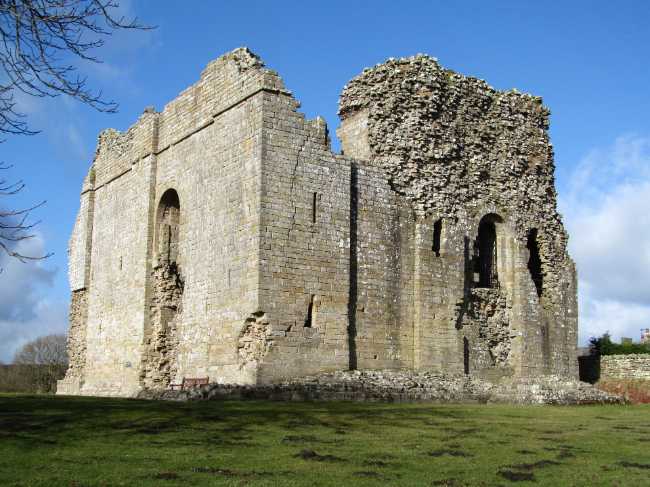
Bowes Castle stands in the small village of Bowes in County Durham, at Bowes Village, Durham DL12 9HP. The ruined keep of this twelfth-century fortress sits on the site of an earlier Roman fort, just off the A66 and a short walk from the village centre. A few miles east is the market town of Barnard Castle with its own dramatic castle ruins high above the River Tees, and the impressive Bowes Museum in its French-style château. Nearby you’ll also find the peaceful remains of Egglestone Abbey beside the river, and a short drive further takes you to the fine medieval Raby Castle set in its deer park.