Locomotion
Locomotion in Shildon is one of Britain’s most significant railway museums, set on the very ground where the world’s first public railway opened in 1825. As part of the National Railway Museum, it tells the story of how the North East became the birthplace of the modern railway and how Shildon’s workshops helped shape global engineering. Inside, the star attraction is Locomotion No. 1, the pioneering engine built by George Stephenson for the Stockton & Darlington Railway. Its presence alone makes the museum a landmark for railway history. The collection also includes powerful steam giants like the Soho and elegant later locomotives that show how design evolved from industrial necessity to engineering artistry. Visitors can explore historic wagons, signalling equipment, and Shildon’s original railway buildings, including the Goods Shed and Hackenberg House, which reveal how railway workers lived and laboured. Interactive exhibits explain how steam engines function, while large open halls allow you to walk right up to locomotives that once crossed the country. Locomotion is also known for its ambitious conservation work: engines are restored on-site, and new arrivals frequently join the national collection.
Shildon United Kingdom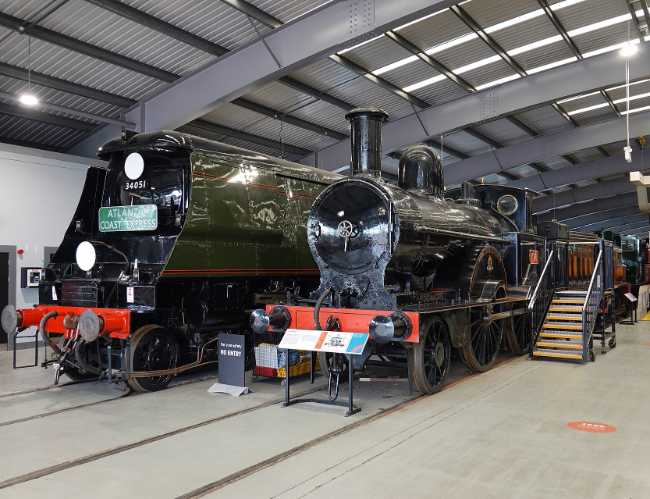
Locomotion is located in the historic railway town of Shildon, situated in County Durham, North East England. Known as the world’s first railway town, this famous national railway museum sits just a few miles south of Bishop Auckland. Its official street address for visits is Dale Road, Shildon, County Durham, DL4 2RE. Visiting the museum puts you right in the heart of an area rich in heritage and scenic sights. Just a short drive north brings you to Bishop Auckland, where you can explore Auckland Palace, the magnificent historic home of the Prince Bishops of Durham, along with its surrounding deer park and local art galleries. Nearby, history lovers can also discover Binchester Roman Fort or admire the ancient architecture of Escomb Saxon Church, which was built using stone taken from the Roman fort itself.If you wish to venture a bit further around County Durham, several notable attractions are within easy driving distance. You can head southwest to visit Raby Castle, a grand medieval fortress complete with a sprawling deer park and beautiful walled gardens. Driving east takes you toward Darlington, home to the Head of Steam railway museum, while heading slightly north brings you to Durham city, where you can marvel at the iconic Durham Castle and Durham Cathedral perched high above the river.