Killhope Lead Mining Museum
Killhope Lead Mining Museum, set high in the North Pennines, offers one of County Durham’s most atmospheric journeys into Britain’s industrial past. Once a working 19th‑century lead mine, it has been carefully restored to show the tough, skill‑based world of Victorian miners who shaped the region’s economy and landscape. Inside, the museum’s most striking feature is the fully operational waterwheel, a vast structure that once powered machinery deep underground. Visitors can explore the Jigger House, where miners sorted and washed ore, and see original tools, wagons, and equipment that reveal how lead was extracted and processed. The museum’s collections also include minerals from around the world, with glittering specimens that contrast sharply with the harsh realities of mining life. A highlight is the underground mine tour, where guides lead you through damp, narrow tunnels to experience the conditions miners faced daily. The darkness, echoing drips, and tight spaces make it one of the most authentic mining experiences in Britain. Killhope also tells the human story of the industry: families living in remote valleys, children working long hours, and communities built around the rhythm of the mines. With wildlife trails, hands‑on activities, and dramatic moorland scenery, it offers a vivid blend of heritage and landscape that makes the past feel close and tangible.
Cowshill United Kingdom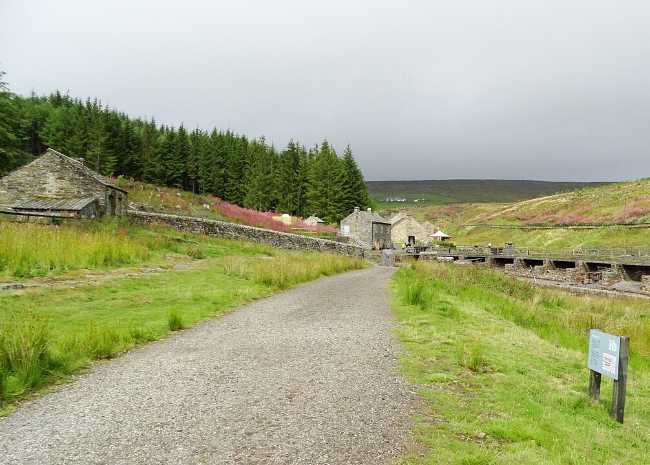
Killhope Lead Mining Museum is nestled in the stunning, remote landscape of Upper Weardale, high up in the Durham Dales of County Durham, North East England. Located near the small village of Cowshill, it sits within the North Pennines National Landscape right near the borders of Cumbria and Northumberland. Its official visiting address is Cowshill, Bishop Auckland, County Durham, DL13 1AR. The wild surrounding countryside offers plenty of interesting local attractions to explore. Just a short drive down the valley brings you to the Weardale Museum, a volunteer-run treasure trove showcasing regional industrial heritage and local history. You can also catch a ride on the historic Weardale Railway, a heritage line running passenger services through the scenic valley landscapes, or venture slightly west toward Alston to ride the narrow-gauge South Tynedale Railway. If you travel a bit further out into the region, you can encounter some of the county's finest sights. Nature lovers can head south to Upper Teesdale to marvel at the impressive High Force Waterfall or explore the woodland trails around the Bowlees Visitor Centre. Historic landmarks like Auckland Palace in Bishop Auckland, the grand medieval Raby Castle, and the historic French château building of The Bowes Museum are all within driving distance for a great day out.