Camber Castle
Camber Castle sits isolated in the flat marshes near Rye, a perfectly preserved Tudor artillery fortress built by Henry VIII. Its most striking feature is its shape: a symmetrical, star‑like design with rounded bastions, created specifically to withstand cannon fire. Once positioned directly on the shoreline, it now lies far inland after centuries of coastal retreat, making it a rare example of a fortress stranded by changing geography. Inside, you can walk through the central keep, a circular stone core surrounded by thick defensive walls. The gun platforms remain intact, showing where heavy cannons once guarded the Camber anchorage. Narrow passages link the bastions, giving a sense of how soldiers moved between firing positions during an attack. The interior rooms are largely bare today, but their scale reveals the castle’s military purpose: storage chambers, powder rooms, and barracks arranged for efficiency rather than comfort. Guided visits often highlight the ingenious ventilation shafts and the careful engineering that kept gunpowder dry in a damp coastal environment.
Winchelsea United Kingdom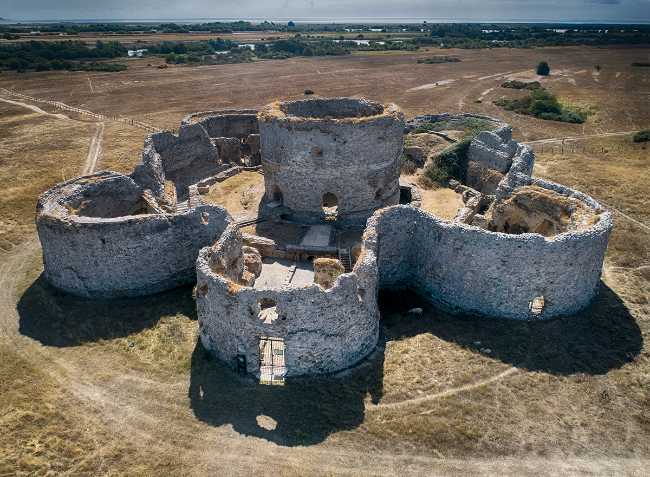
Camber Castle sits out in the open fields between the towns of Rye and Winchelsea in East Sussex. You’ll find it off Harbour Road near Rye, though there’s no road right up to the gates – it’s a gentle mile-long walk across the flat paths from the edge of Rye or from Rye Harbour. The castle itself is an old artillery fort from Henry VIII’s time, and you can wander around the outside any day. The surrounding land is part of Rye Harbour Nature Reserve, so the walk takes you past lagoons and bird hides with plenty of wildlife to spot along the way. Just a short distance back towards Rye you’ll reach the town’s own castle, known as the Ypres Tower, which now holds a museum full of local history, smuggling tales and maritime displays. Nearby is Lamb House, a handsome old property once home to writers, and the Rye Heritage Centre that brings the town’s story to life. A little further over is Winchelsea with its ancient church and small Court Hall Museum. If you fancy the coast, Camber Sands beach with its dunes is close by too. It’s an easy, open landscape that links the castle, the nature reserve and the two historic towns without any rush.
 Museum