Hastings Museum & Art Gallery
Hastings Museum & Art Gallery offers one of East Sussex’s most eclectic collections, shaped by Victorian collectors and enriched by global stories. Founded in 1892, it is known for its remarkable Durbar Hall, an ornate Indian‑style chamber originally built for the 1886 Colonial Exhibition. Its carved woodwork and dramatic balcony make it one of the museum’s most atmospheric spaces. Inside, you’ll find galleries exploring local history, natural sciences, and world cultures. The Grey Gallery showcases fine art, including landscapes of Sussex and works by notable British painters. The museum’s natural history displays feature fossils, taxidermy, and geological specimens that trace the region’s prehistoric past. A highlight is the world cultures collection, with artefacts from East Asia, Africa, and the Pacific, reflecting the curiosity and reach of 19th‑century collectors. The Hastings Story exhibition offers a vivid timeline of the town, from ancient settlements to its seaside heyday. Family‑friendly interactive exhibits and rotating contemporary art shows add fresh perspectives. Hastings Museum & Art Gallery blends global heritage with local identity, creating a surprisingly rich cultural experience in a coastal town setting.
Hastings United Kingdom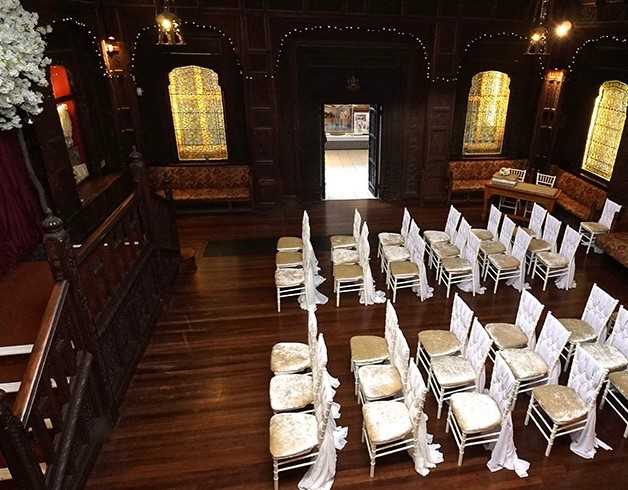
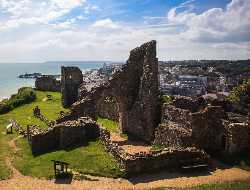
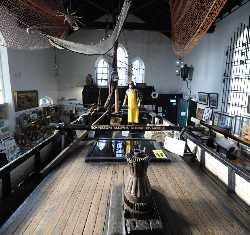
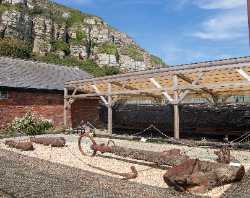
Hastings Museum and Art Gallery sits in its own grounds on Bohemia Road in Hastings, East Sussex. The full address is John’s Place, Bohemia Road, Hastings, TN34 1ET, just a short uphill walk from the town centre and seafront. Inside you’ll find a mix of local history, natural history, art and world collections, including the striking Durbar Hall that once formed part of an Indian palace display. It’s a free museum with plenty of space to wander at your own pace. From here it’s an easy stroll down towards the seafront where you can reach Hastings Castle up on the West Hill, or head the other way to Hastings Contemporary, a modern art gallery overlooking the beach. Nearby you’ll also find the White Rock Theatre, the open green spaces of Alexandra Park, and a little further along the coast the Fishermen’s Museum and Shipwreck Museum by the old net huts. The whole area links the museum nicely with the castle, the galleries and the beach without any long distances involved.
 Castle
 Museum
 Museum