Layer Marney Tower
Layer Marney Tower, rising above the Essex countryside, is one of England’s most elegant Tudor landmarks. Built in the early 16th century by Henry, 1st Lord Marney, it was intended as a grand statement of status during the reign of Henry VIII. Although the original plan envisioned a vast mansion, only part of the project was completed — yet the surviving tower remains the tallest Tudor gatehouse in Britain, its warm terracotta brickwork and intricate decoration showcasing the height of Tudor craftsmanship. Inside, visitors can explore richly atmospheric rooms that blend Tudor character with later additions. The Great Hall, with its timber roof and heraldic details, offers a glimpse into aristocratic life, while the Long Gallery displays portraits, artefacts and stories connected to the Marney family. Climbing the tower is a highlight: its spiral staircase leads to viewing platforms with sweeping panoramas over the River Blackwater and the surrounding estate. Other features include the charming courtyard, the restored Tudor brickwork, and exhibitions on the building’s construction and conservation. Together, they reveal a house that was both ambitious and deeply personal. Layer Marney Tower remains a rare fusion of Tudor power, artistry and rural tranquillity.
Colchester United Kingdom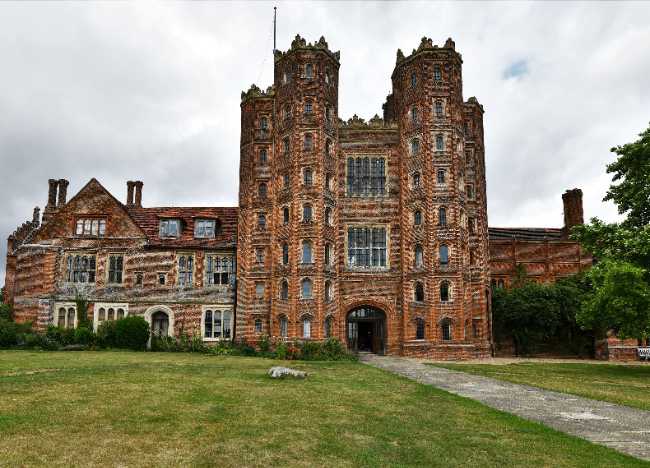
The tower is located at Layer Marney Tower, Layer Marney, near Colchester, Essex, CO5 9US, United Kingdom. It sits in the countryside between Colchester and Tiptree, just off the B1022 road. Its setting near Colchester provides easy access to nearby regional attractions. A short drive northeast brings you to Colchester Zoo, which houses hundreds of animal species across wide parklands. Heading east leads to Abberton Reservoir Nature Discovery Park, a wetland site ideal for walking and birdwatching. Driving north into central Colchester allows you to visit Colchester Castle, a Norman fortress housing a local history museum built over ancient Roman foundations. You can also head south to Tiptree to visit the Tiptree Jam Museum and Tea Room, or travel southeast to cross the causeway over to Mersea Island.
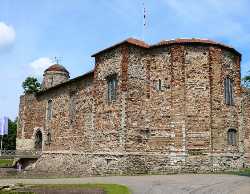 Castle
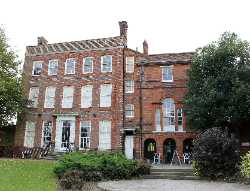 Museum
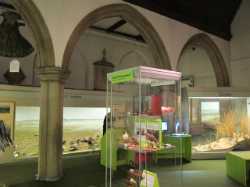 Museum
 Museum