Corinium Museum
The Corinium Museum in Cirencester is one of Britain’s finest showcases of Roman life, built on the legacy of Corinium Dobunnorum, once the second‑largest town in Roman Britain. Its most striking fact is the sheer richness of local archaeology: more than 100,000 artefacts have been uncovered in and around Cirencester, making the museum a treasure house of mosaics, sculpture and everyday objects that reveal how Romans lived, worked and worshipped. Inside, the galleries follow a clear chronological path. The Roman mosaics are the star attraction, displayed at full scale with vivid geometric patterns and mythological scenes. The Hare Mosaic, found in a nearby villa, is one of the most famous, admired for its delicate detail. The Roman tombstones, including the moving memorial to a cavalry officer, offer rare personal glimpses into ancient lives. The museum also features reconstructed spaces such as a Roman dining room and market stall, helping visitors imagine the bustle of Corinium’s streets. Beyond the Roman era, exhibits explore prehistoric tools, Saxon jewellery, medieval craftsmanship and Cirencester’s role in the Civil War.
Cirencester United Kingdom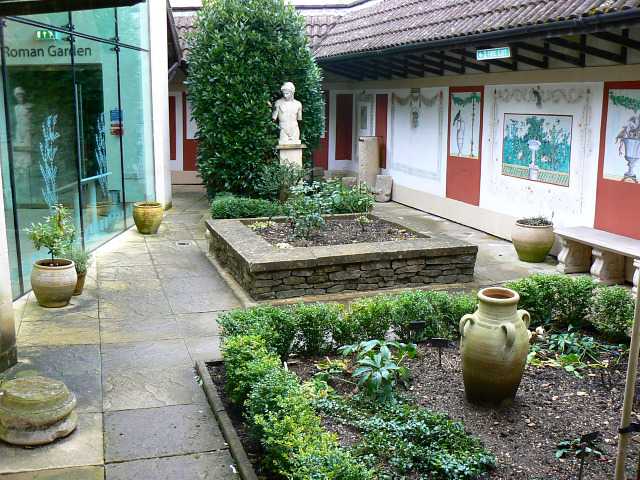
The Corinium Museum is located at Park Street, Cirencester, Gloucestershire GL7 2BX, right in the heart of this attractive Cotswold market town. It is home to one of the finest collections of Romano-British antiquities in the country, with spectacular mosaics and everyday objects from Corinium, which was Roman Britain’s second-largest city. Just a short walk away you can explore the impressive remains of Cirencester’s Roman Amphitheatre, one of the best-preserved in Britain. Nearby stand the elegant grounds of Cirencester Park and the peaceful Abbey Grounds, while the magnificent parish church of St John the Baptist dominates the market place. The town itself is full of independent shops and cafés, and a little further afield the Cotswold Water Park offers lakes and outdoor activities for a complete day out.