Mill Green Museum and Watermill
Mill Green Museum and Watermill is one of Hertfordshire’s most atmospheric heritage sites, combining a working 18th‑century watermill with a museum dedicated to local crafts and rural life. The mill still grinds flour using the original waterwheel, making it one of the few surviving mills in the county where visitors can watch traditional milling in action. This continuity is one of its most interesting facts: flour has been produced on this site for over 1,000 years, with records tracing milling back to the Domesday Book. Inside the museum, the galleries explore the history of milling, baking, and domestic crafts through tools, photographs, and hands‑on displays. The miller’s room, with its worn wooden furniture and practical equipment, offers a vivid glimpse into the daily life of those who kept the mill running. Exhibits also highlight the role of Mill Green in the local community, from supplying bread to supporting nearby farms. Visitors can see the millstones, gearing mechanisms, and the powerful waterwheel up close, learning how water energy was harnessed long before modern machinery. Seasonal exhibitions add contemporary art and local history themes, creating a lively contrast with the historic setting.
Hatfield United Kingdom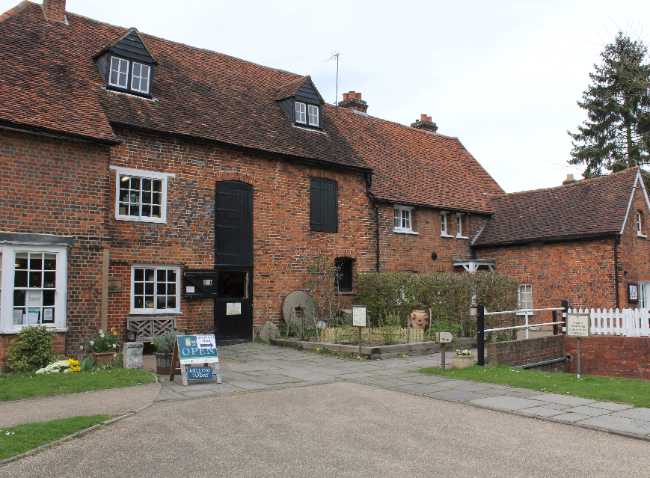
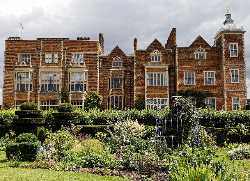
Mill Green Museum and Watermill is just outside the centre of Hatfield, in a really peaceful riverside spot. You will find it at Bush Hall Lane, Mill Green, Hatfield, Hertfordshire AL9 5PD. It sits on the River Lea, tucked away in Mill Green itself, surrounded by old cottages and green space. The museum is made up of a working 18th century watermill and a small local history museum, so it feels a bit hidden away but it is only a couple of minutes drive from Hatfield town centre. It is a perfect place to combine with some of the big attractions nearby. The most famous is Hatfield House, the magnificent Jacobean palace where Elizabeth I learned she was queen. The house, gardens and park are huge and only a short walk away. You also have the Roman Baths at Welwyn nearby, which are actually part of the same museum service, plus Welwyn Roman Villa remains. If you like parks and walks, you have Stanborough Park and Lakes with boating, and the Alban Way old railway line for cycling towards St Albans. Just a bit further you can visit St Albans Cathedral, Verulamium Roman Museum and park, and Knebworth House, the gothic stately home. It is a small, charming museum but right in the middle of some of Hertfordshire's best historic houses and countryside.
 Mansion