Welwyn Roman Baths
Welwyn Roman Baths offer one of Hertfordshire’s most atmospheric glimpses into everyday life in Roman Britain. Discovered in the 1960s during roadworks, the baths formed part of a larger villa complex that once stood beside the River Mimram. Their most interesting fact is how well‑preserved the heating system remains: visitors can still see the hypocaust pillars that supported the floors and allowed hot air to circulate beneath them, a remarkable piece of ancient engineering hidden for nearly two millennia. Inside the modern protective building, the layout of the bath suite is clearly visible — from the cold plunge pool to the warm and hot rooms where villa residents would have relaxed, exercised and socialised. Interpretation panels explain how the baths were used, how water was heated, and what daily routines might have looked like for the villa’s occupants. The site also displays artefacts found during excavation, including pottery, tools and domestic items that help reconstruct life on a prosperous Roman estate. A model of the villa shows its scale and design, offering context for the surviving remains. Compact but rich in detail, Welwyn Roman Baths provide a rare chance to stand inside a Roman leisure complex and appreciate the sophistication of ancient heating, architecture and rural living.
Welwyn United Kingdom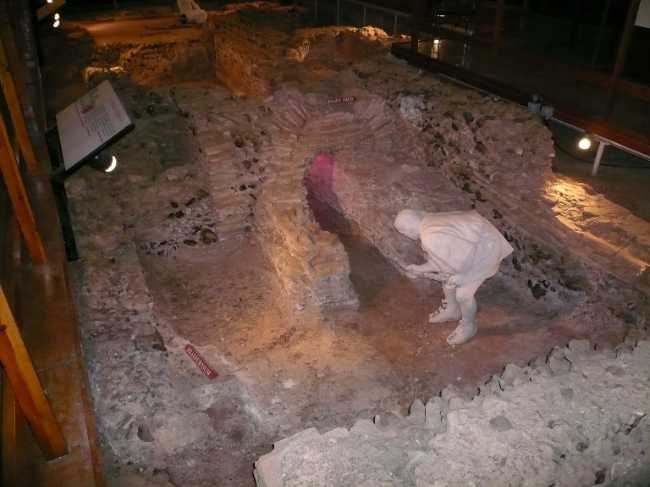
Welwyn Roman Baths offer a fascinating peek into ancient history tucked away beneath modern Hertfordshire. Located at Welwyn Bypass Road, Welwyn, AL6 9FG, the preserved ruins sit surprisingly underneath the A1(M) motorway in a specially built vault. The site originally formed part of a grand 3rd-century Roman villa, and visitors today can walk through to see the original layout of the hypostyle heating system, cold bath, and changing rooms. Its location makes it easy to explore several impressive heritage sites nearby. Just down the road in Ayot St Lawrence is Shaw’s Corner, the historic country home of famous playwright George Bernard Shaw. A short drive toward Hatfield brings you to Mill Green Museum and Mill, a restored 18th-century working watermill, along with the grand Hatfield House, a magnificent Jacobean palace surrounded by extensive historic parklands. For those wanting to dive deeper into local history, the city of St Albans is very close by, home to the St Albans Cathedral and the Verulamium Museum, which houses some of the finest Roman mosaics in Britain. Nearby open green spaces like Stanborough Park and the ancient woodlands of Sherrardspark Wood also provide great spots to unwind after visiting the ruins.