Clitheroe Castle
Clitheroe Castle, perched on a limestone knoll above the Ribble Valley, is one of Lancashire’s most distinctive landmarks. Built around 1186, it is thought to be one of the smallest Norman keeps in England, yet its compact size hides a long and dramatic history. The castle survived medieval warfare, Civil War tensions and centuries of local life, becoming a symbol of Clitheroe itself. Inside the keep, visitors can explore atmospheric stone chambers that once served as storage and defence spaces. Though roofless, the structure offers excellent views from its upper levels, revealing why the Normans chose this strategic site. The adjoining museum, housed in a former steward’s house, is a highlight. It traces 350 million years of local history—from prehistoric fossils and Roman finds to medieval armour, Victorian life and the town’s industrial past. One of the most interesting features is the collection of artefacts linked to the castle’s role in regional governance, including documents and objects that show how the site shaped local justice. Interactive displays and models explain how the keep was built and how it functioned during conflict.
Clitheroe United Kingdom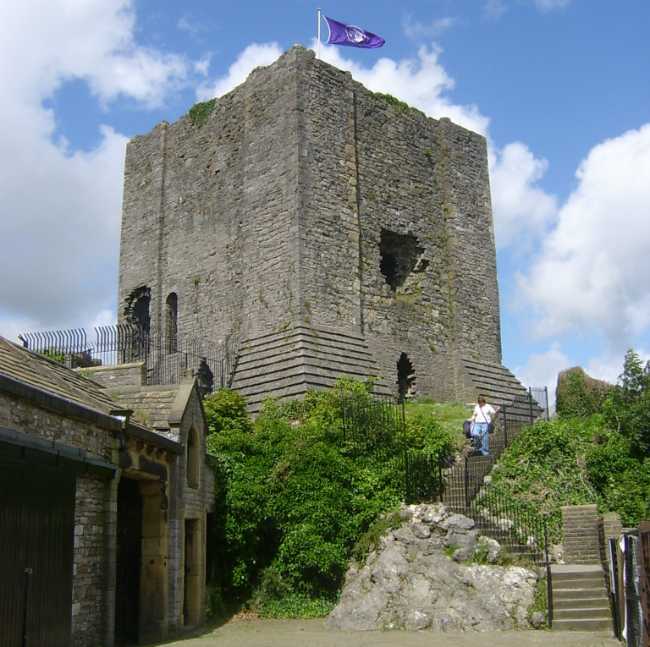
Clitheroe Castle Museum is a historic Norman fortress perched high on a limestone outcrop, offering sweeping views of the surrounding countryside. You can find it located at Castle Hill, Clitheroe, Lancashire, BB7 1BA. Sitting right in the center of the town, it is surrounded by pleasant parkland and sits just a short walk from Clitheroe railway station, making it very easy to reach. Because of its setting in the picturesque Ribble Valley, there are plenty of interesting sights and historical places nearby. Directly within the castle grounds, you can visit the museum galleries, which feature interactive displays explaining the geology, social history, and folklore of the region. A short walk down into the town center brings you to local independent shops, traditional pubs, and historic landmarks like the grand St Mary Magdalene Church. If you head a few miles south toward Whalley, you can explore the impressive ruins of Whalley Abbey, an ancient 14th-century Cistercian monastery set beside the river. To the east lies Pendle Hill, famous for its sweeping walking routes and ties to the historic 17th-century Pendle Witch Trials. History enthusiasts can also take a short drive to Samlesbury Hall, a magnificent black-and-white medieval manor house, or visit the Roman Museum at Ribchester.