Woolsthorpe Manor
Woolsthorpe Manor is one of Lincolnshire’s most quietly extraordinary places: the modest 17th‑century farmhouse where Isaac Newton was born, and where he later returned during the plague years of 1665–66. This period, known as his “Year of Wonders,” is an interesting fact in itself — it was here, not at Cambridge, that Newton developed his early ideas on gravity, optics and motion. The famous apple tree still grows in the orchard, a living symbol of scientific curiosity. Inside, the manor preserves the rooms much as Newton would have known them. The Hall, with its large hearth and simple furnishings, reflects the rural life of a prosperous farming family. Newton’s small bedroom is a highlight: visitors can see the very window shutters where he carved diagrams of his optical experiments. These faint etchings, still visible, offer an intimate glimpse into his working mind. The upstairs study space explores Newton’s discoveries through interactive displays, including prisms, lenses and models that explain how he unravelled the nature of light. The barn and outbuildings add context, showing the agricultural world that shaped his early years.
Woolsthorpe by Colsterworth United Kingdom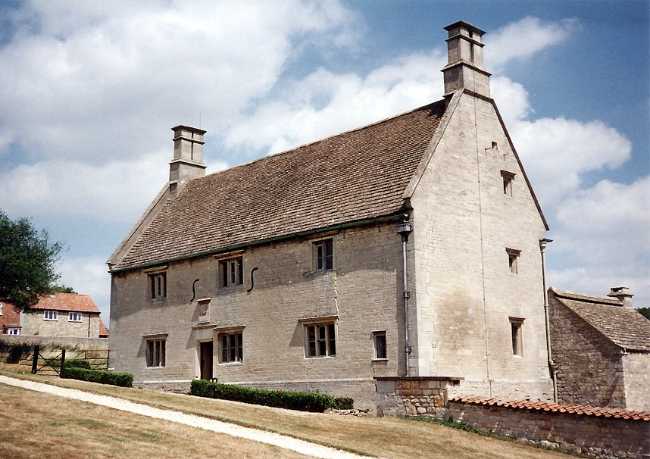
Woolsthorpe Manor sits on Water Lane in the quiet village of Woolsthorpe by Colsterworth, near Grantham in Lincolnshire, with the postcode NG33 5PD. It’s a modest 17th-century manor house that was the birthplace and family home of Sir Isaac Newton, looked after by the National Trust. You can walk through the rooms as they might have looked in his day and step into the orchard to see the famous apple tree that sparked his thoughts on gravity. There’s also a small science centre with hands-on displays that bring his ideas to life. Grantham is only a short drive away if you want to explore the town or visit Grantham House. Nearby Belton House offers a grander country-house experience with its own park and gardens, while Belvoir Castle sits a little further out for those who enjoy dramatic historic residences. Easton Walled Gardens provides another peaceful garden stop, and Grimsthorpe Castle is within easy reach if you fancy more parkland. It’s a calm, thoughtful place that pairs nicely with the surrounding countryside and other Lincolnshire estates.