Donington Le Heath Manor House
Donington le Heath Manor House is one of Leicestershire’s most evocative survivals of medieval domestic architecture, a rare 13th‑century building still standing in near-original form. Its long life has been shaped by farming families, Tudor refurbishments, and centuries of quiet rural use, giving it an authenticity that feels lived‑in rather than grand. A major restoration in the early 2000s transformed it into the 1620s House & Garden, presenting the manor as it might have appeared during the reign of James I. Inside, visitors step into a world of oak beams, stone floors, and period furnishings. The Great Hall is the heart of the house, arranged with replica Jacobean furniture that shows how families dined, worked, and socialised. The Solar, once a private upper‑floor chamber, displays textiles, carved chests, and domestic objects that reveal everyday life in the early 17th century. The kitchen is particularly atmospheric, complete with hearth, utensils, and displays explaining food preparation and household routines. Outside, the recreated 1620s garden blends herbs, vegetables, and ornamental plants, designed according to period principles.
Donington le Heath United Kingdom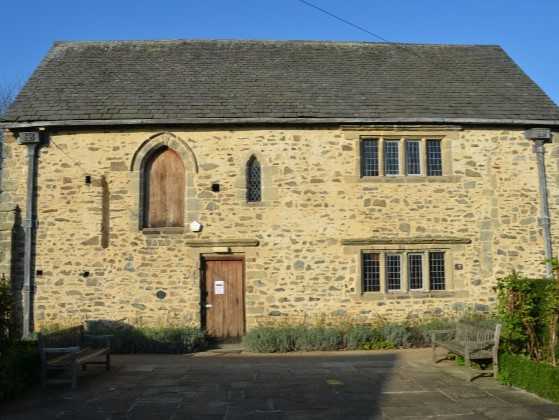
Donington Le Heath Manor House, also known as the 1620s House and Garden, is a remarkably preserved medieval house surrounded by re-created Jacobean gardens. It sits on the southern outskirts of Coalville in Leicestershire, England. The full address is Manor Road, Donington le Heath, Coalville, Leicestershire, LE67 2FW. The site itself is steeped in history, having once belonged to Digby family members tied to the famous 1605 Gunpowder Plot. Beyond the manor's own herb gardens and tea room, the surrounding heart of the National Forest offers plenty of notable historical sights and attractions within a quick drive. Just a few miles to the north, you can visit the romantic ruins of Ashby de la Zouch Castle, an impressive 12th-century fortress with a massive medieval tower. Nearby Snibston Colliery Park highlights the region's rich industrial heritage. Nature lovers can explore Sence Valley Forest Park or head slightly east into Charnwood Forest to visit Bradgate Park, where you will find the ruinous remains of Bradgate House, the childhood home of Lady Jane Grey. Railway enthusiasts can head a short distance west to the Battlefield Line Railway at Shackerstone, a preserved steam line that runs near the historic Bosworth Battlefield Centre, making it easy to combine early English history with beautiful countryside walks.