Melton Carnegie Museum
Melton Carnegie Museum is a welcoming local museum that tells the story of Melton Mowbray and its surrounding countryside, housed in a 1905 Carnegie library funded by philanthropist Andrew Carnegie. The building itself is part of the experience: a handsome red‑brick structure with original woodwork and period details that reflect early 20th‑century civic pride. Inside, the museum explores the town’s rich traditions and industries. One of its most engaging themes is food heritage, especially Melton’s famous pork pies and Stilton cheese. Exhibits trace how these products became nationally recognised, with tools, recipes, and stories from local makers. The foxhunting displays highlight Melton’s long association with the sport, featuring hunting attire, maps, and accounts of the town’s role as a fashionable centre for riders in the 18th and 19th centuries. Social history is another strength. Visitors can see Victorian domestic objects, agricultural tools, and items from local trades that shaped everyday life. The museum also covers Melton’s military connections, including artefacts from the Leicestershire regiments and personal stories from wartime.
Melton Mowbray United Kingdom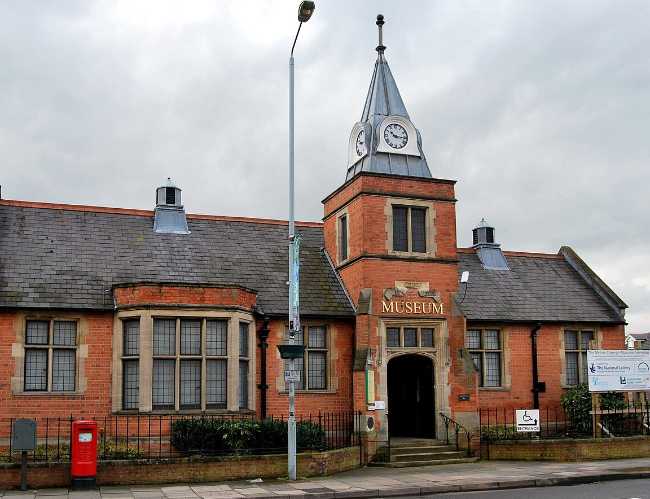
Housed in a charming 1905 Carnegie Library built through the philanthropy of Andrew Carnegie, the Melton Carnegie Museum offers a fascinating dive into the history of Melton Mowbray. The gallery explores local life from the Bronze Age to the modern day, but its real highlight is showcasing how this small market town became Britain’s undisputed capital of food and field sports. Inside, you will find interactive displays highlighting the origin and protected status of the town’s most famous culinary exports: authentic Melton Mowbray pork pies and rich Stilton cheese. Another standout exhibition dives into the origins of the phrase "painting the town red," which stems from a notorious night in 1837 when the Marquis of Waterford and his rowdy friends literally painted several toll gates and buildings in town bright red. The museum also traces the area's deep fox hunting traditions and horse racing heritage, complete with displays on saddlery, shoemaking, and rural trades that kept the region thriving. Among its quirky historical curiosities, visitors can see a taxidermy "two-headed calf" born locally in 1900, which was originally used by a local vet to raise money for wartime efforts. With its mix of food heritage, eccentric folklore, and ancient archaeological finds, it offers an engaging look into Leicestershire's unique character.