Norfolk and Suffolk Aviation Museum
The Norfolk and Suffolk Aviation Museum at Flixton is one of East Anglia’s richest aviation heritage centres, spread across eight acres and filled with nearly 70 aircraft and more than 30,000 artefacts. Its story began in the 1970s, when local enthusiasts gathered early collections in a Nissen hut; today, the museum spans multiple hangars and themed buildings, each exploring a different chapter of regional and military aviation. Inside, visitors can explore aircraft from biplanes to Cold War jets, including a Sea Harrier, Lightning, Canberra and a rare Falklands‑captured Pucará. The themed galleries are a major highlight: Bomber Command displays include a Wellington bomber section and a Lancaster mock‑up used in The Dam Busters, while the 446th Bomb Group building preserves USAAF memorabilia from the nearby wartime airfield. Coastal Command and Air‑Sea Rescue exhibits showcase high‑speed launch models, uniforms and rescue equipment. Hands‑on experiences make the museum unusually immersive. Visitors can sit in cockpits, try morse code machines, explore a working Link Trainer, and view extensive “wreckology” collections of recovered aircraft parts. The Boulton & Paul hangar adds rare helicopters, gliders and unique prototypes, including a replica of the Colditz Cock escape glider.
Flixton United Kingdom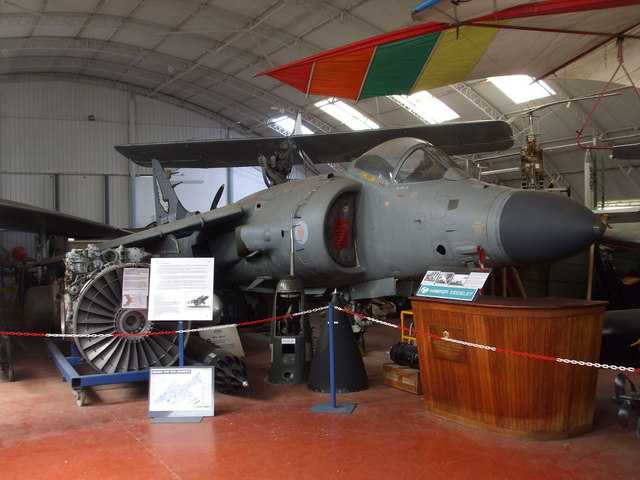
The Norfolk and Suffolk Aviation Museum sits in the quiet village of Flixton, just outside the market town of Bungay on the Norfolk-Suffolk border. The address is The Street, Flixton, Bungay, Suffolk NR35 1NZ. This extensive museum displays more than sixty aircraft outdoors and in hangars, along with thousands of artefacts that tell the story of aviation in the region, including displays devoted to Bomber Command, air-sea rescue and the local American bomb group that once flew from nearby airfields. Bungay itself is only a short drive away and offers a pleasant market-town centre with historic buildings. A little further afield lies Somerleyton Hall, a grand Victorian mansion with gardens and a maze that makes a good contrast to the aircraft displays. The surrounding Waveney Valley countryside also provides gentle walks and other small museums, making it easy to combine a visit here with a look at nearby historic houses and a wander through the local towns.