100th Bomb Group Memorial Museum
The 100th Bomb Group Memorial Museum is a deeply atmospheric tribute to the men of the “Bloody Hundredth,” the USAAF unit stationed at Thorpe Abbotts during the Second World War. Known for its heavy losses and extraordinary resilience, the group flew B‑17 Flying Fortresses on missions over occupied Europe, earning a legacy marked by courage and sacrifice. The museum occupies original wartime buildings, preserving the authentic feel of a working airbase. Inside, visitors can explore the control tower, carefully restored to its 1940s appearance. Its operations room, radio equipment and observation deck recreate the tension of mission days. The museum’s collections include uniforms, mission logs, personal letters, photographs and artefacts donated by veterans and their families. A standout exhibit is the “Glass House”, a viewing room that overlooks the airfield and honours the airmen who never returned. The museum also features detailed displays on life at Thorpe Abbotts, from mess‑hall routines to the emotional strain of long missions. Thoughtful storytelling and original objects make the 100th Bomb Group Memorial Museum a powerful place of remembrance, connecting visitors to the human stories behind one of the war’s most storied units.
Dickleburgh United Kingdom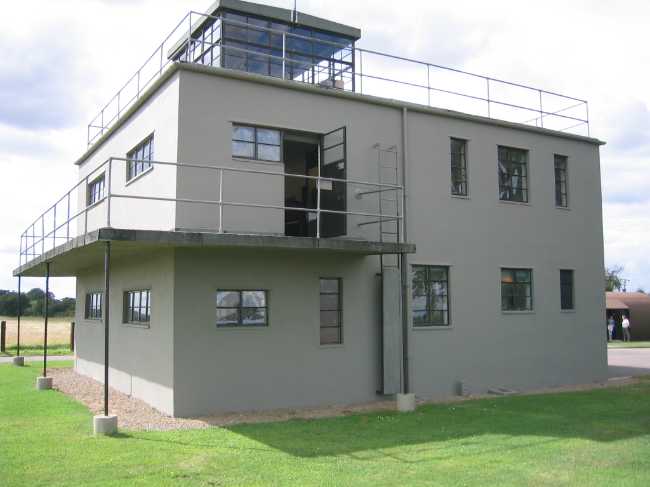
The 100th Bomb Group Memorial Museum sits on Common Road in Dickleburgh, near Diss in south Norfolk, on the site of the former wartime airfield at Thorpe Abbotts. The address is Common Road, Dickleburgh, Diss, Norfolk, IP21 4PH, a quiet rural spot that still carries the atmosphere of its wartime past. A short drive brings you to the market town of Diss with its small local museum full of everyday history and curiosities. Nearby Eye Castle offers the remains of a motte and bailey fortress that make for a pleasant stroll among the old earthworks. Bressingham Steam Museum and Gardens is also close, combining historic steam engines with colourful gardens for a change of scene. The Burston Strike School Museum lies not far away, telling a distinctive local story of education and protest, while further wartime interest can be found at other memorial sites in the area. The wider countryside links easily to Diss itself and the gentle borderlands between Norfolk and Suffolk, so a visit here fits nicely into a day of museums, castles and quiet rural exploration.