Kiplin Hall
Kiplin Hall is a striking Jacobean house built in 1620 by George Calvert, later the first Lord Baltimore and founder of Maryland. Its American connection is one of its most unusual stories: descendants and supporters from both sides of the Atlantic helped save the hall in the 20th century, ensuring its survival as a rare example of an unaltered early‑17th‑century manor. Inside, Kiplin feels authentic and personal. The Entrance Hall sets the tone with dark panelling, family portraits, and a sense of continuity across four centuries. The Drawing Room is rich in Georgian elegance, filled with fine furniture and views over the lake. The Library is a highlight, holding rare volumes and revealing the scholarly interests of the families who lived here. The Dining Room preserves its Victorian character, complete with original table settings that evoke long‑gone formal dinners. Upstairs, the bedrooms offer glimpses into domestic life: the Calvert Room displays artefacts linked to the family’s colonial ventures, while the State Bedroom retains its imposing four‑poster bed. The museum rooms explore Kiplin’s wartime role, including its use by the RAF and American servicemen.
Scorton United Kingdom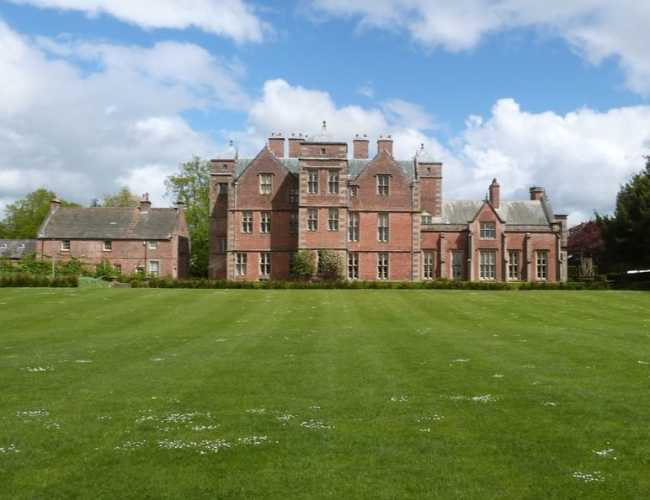
Kiplin Hall is found near the village of Scorton in North Yorkshire, with the address Near Scorton, Richmond, North Yorkshire, DL10 6AT. It sits roughly halfway between the market towns of Richmond and Northallerton, a short hop east of the main road, in the peaceful Vale of Mowbray by the River Swale. This Jacobean house, built in the early 1600s, makes a relaxed spot for a day out with its gardens, lake walks and historic rooms. From here it is an easy drive into Richmond, where the impressive Norman Richmond Castle stands high above the river, offering fine views and a real sense of the area’s long past. Just outside the town you can wander among the romantic ruins of Easby Abbey, a quiet riverside abbey that feels a world away from the bustle. A little further afield, Bedale has its own hall and museum if you fancy more local history, while the wider countryside opens towards the edge of the Yorkshire Dales. The whole setting stays low-key and green, perfect for combining a visit to the hall with a bit of castle-spotting or a gentle explore of the nearby market towns.