Apethorpe Palace
Apethorpe Palace is one of Northamptonshire’s most remarkable historic houses, a grand Tudor and Jacobean residence with an unusually close connection to the English monarchy. One of its most fascinating facts is that King James I stayed here so often that the palace became known as his “favourite hunting lodge,” and it was at Apethorpe that he is said to have held lavish entertainments and political gatherings. The house contains one of the finest surviving sets of state rooms built specifically for royal use outside London. Inside, visitors can explore the King’s Bedchamber, the Long Gallery and the impressive Great Hall, each showcasing rich plasterwork, carved fireplaces and architectural details that reflect the tastes of the Tudor and Stuart courts. The Jacobean staircase, with its elegant proportions and intricate joinery, is a highlight of the interior. Many rooms retain their original layout, offering a rare sense of how a palace functioned during royal visits. Apethorpe’s restoration revealed hidden passages, historic timbers and long‑lost decorative schemes, adding layers of discovery to the experience. Outside, the courtyards and gardens frame the house with quiet symmetry, reflecting centuries of careful design. Atmospheric, historically rich and architecturally significant, Apethorpe Palace offers a vivid glimpse into England’s royal past.
Apethorpe United Kingdom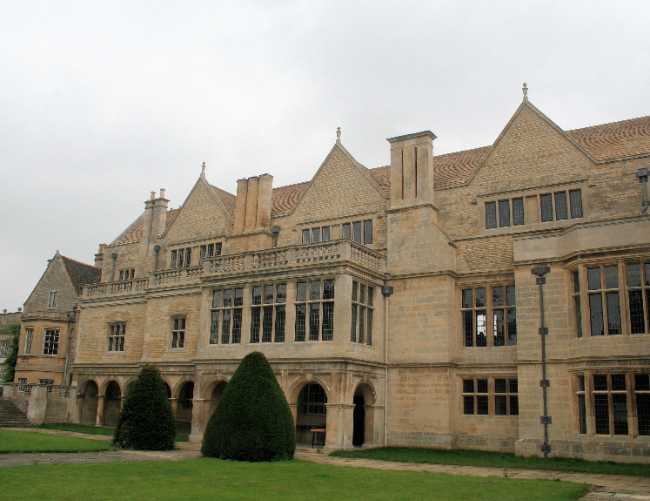
Situated in the quiet village of Apethorpe in North Northamptonshire, Apethorpe Palace is located at Hunting Way, Apethorpe, Northamptonshire, PE8 5DJ. Dating back to the 15th century, this magnificent Grade I listed country house once served as a favorite royal residence for Tudor and Stuart monarchs like James I and Charles I, boasting some of the finest Jacobean state rooms in the country. The surrounding rural landscape offers a wealth of nearby historical attractions and estate gardens to explore. Just a short drive away sits the spectacular Burghley House near Stamford, one of the grandest Elizabethan palaces in England, set within expansive parkland designed by Capability Brown. To the west, visitors can tour the striking ruins and restored formal gardens of Kirby Hall, another major English Heritage site in the region. For more local history, you can venture down to the historic market town of Oundle or explore the nearby medieval ruins of Fotheringhay Castle along the River Nene, famous as the site of the execution of Mary, Queen of Scots. History lovers can also visit the nearby Lyddington Bede House, a former medieval bishop's palace, or take a scenic drive to the nearby Nene Valley Railway and the Peterborough Museum further east, making the area a fantastic countryside destination for a heritage tour.