Blyth Battery
Blyth Battery, standing on the dunes of South Beach, is one of the best‑preserved coastal defence sites from the Second World War in northern England. Built in 1940 to protect the port and submarine base at Blyth, it formed part of a wider network guarding the North Sea. Its twin gun emplacements, observation posts and searchlight housing remain remarkably intact, offering a vivid sense of wartime vigilance. The site also played a role in training naval crews, adding another layer to its military story. Inside the museum buildings, visitors can explore recreated rooms filled with period equipment, uniforms, communication devices and personal memorabilia donated by veterans. The displays explain how the battery operated, how coastal artillery crews lived, and how Blyth contributed to national defence. One highlight is the collection of restored weapons and vehicles, often demonstrated during living‑history events. Photographs, maps and local stories reveal how the war shaped the town and its coastline. Compact but atmospheric, Blyth Battery offers an engaging look at coastal defence history in a dramatic seaside setting.
Blyth United Kingdom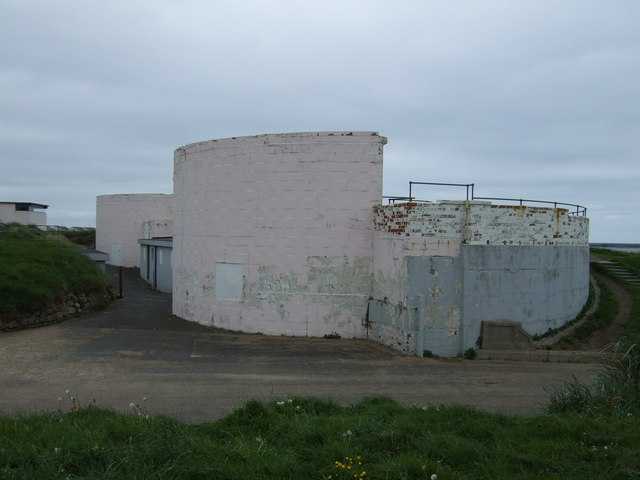
Blyth Battery sits on the sand dunes overlooking South Beach in the coastal town of Blyth, Northumberland. You’ll find it right beside the colourful beach huts along the promenade, with the address given as South Beach, Blyth, Northumberland, NE24 3PQ (or sometimes listed as Links Road). It’s an easy spot to reach once you’re in Blyth, right on the edge of the beach itself. The battery is a well-preserved First and Second World War coastal defence site, so the location already feels part of the wider shoreline story. Just a short walk away stretches Blyth’s long sandy South Beach, perfect for a stroll or simply watching the sea. Nearby you’ll also find Ridley Park, a pleasant green space in the town with paths and play areas. A few miles south sits Seaton Delaval Hall, the striking Vanbrugh-designed house and gardens that make a natural next stop. A little further along the coast you can reach St Mary’s Lighthouse and its rocky island near Whitley Bay, or head north towards Newbiggin-by-the-Sea. Blyth’s own quayside and the Spirit of the Staithes sculpture offer a bit of maritime history if you stay in town. It’s a straightforward base for exploring this stretch of the Northumberland coast without having to travel far.