Museum of Timekeeping
Housed in the grand Regency mansion of Upton Hall near Newark, the Museum of Timekeeping explores the fascinating history of horology. Maintained by the British Horological Institute, the museum serves as the spiritual home of British clockmaking, safeguarding centuries of innovation that helped humanity measure, master, and standardise time. The collection features remarkable historic artifacts with extraordinary stories. One notable treasure is a watch worn by Captain Robert Falcon Scott during his tragic Antarctic expedition to the South Pole in 1912. The museum also cares for the clock mechanism that once sounded the spoken time for the famous General Post Office Speaking Clock service, which broadcast precise time signals across Britain for decades. Another intriguing historical highlight is a timepiece made by Thomas Tompion, often revered as the father of English clockmaking. Inside, visitors encounter a vast array of horological marvels spanning several centuries. Display rooms showcase rare longcase clocks, intricate pocket watches, marine chronometers crucial for early oceanic navigation, and turret clock movements that once chimed in church towers across the country. Guests can explore the craft of horology through detailed exhibits detailing gear cutting, escapement designs, and delicate restoration work.
Upton United Kingdom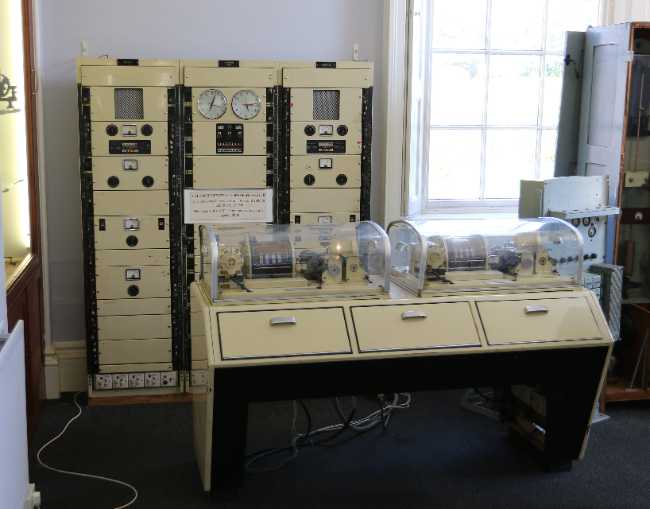
The Museum of Timekeeping is set in the quiet village of Upton in Nottinghamshire, at Upton Hall, Main Street, Upton, Newark-on-Trent, NG23 5TE. It occupies the elegant rooms and grounds of this Grade II listed hall, which stands between the market towns of Southwell and Newark. Just a few miles away lies Southwell, home to the beautiful Southwell Minster with its fine medieval architecture and the remains of the Archbishop’s Palace next door. The National Trust’s Workhouse and Infirmary is also nearby, offering a striking glimpse into Victorian social history. A short drive further brings you to Newark-on-Trent, where you can wander around the ruins of Newark Castle by the river, visit the National Civil War Centre, or explore the historic market place and parish church. The surrounding countryside is gentle and open, with quiet roads linking these spots, so it is easy to move from the ticking clocks of Upton Hall to the minster, the workhouse or the castle at a relaxed pace.