Lyddington Bede House
Lyddington Bede House is one of Rutland’s most atmospheric historic buildings, offering a rare glimpse into the lives of the “bedesmen” who lived here from the early 17th century. Once part of a grand medieval palace belonging to the Bishops of Lincoln, the surviving wing was converted in 1602 into an almshouse for twelve poor men and two women. This long period of use makes it one of the best‑preserved charitable institutions of its kind in England. Inside, visitors can explore the tiny bedesmen’s rooms, each with a simple fireplace and window, revealing the modest conditions provided for residents who prayed daily for their benefactors. The contrast with the building’s earlier grandeur is striking: carved stone doorways, timber beams, and fragments of medieval detailing hint at the palace’s former status. The Great Chamber, with its impressive timber roof, is a highlight, showing the scale and craftsmanship of the original episcopal residence. Interpretation panels explain the strict rules governing life in the almshouse, including curfews, communal prayers, and allowances of food and clothing. Outside, the quiet garden and views of Lyddington’s picturesque main street add to the sense of stepping back in time.
Lyddington United Kingdom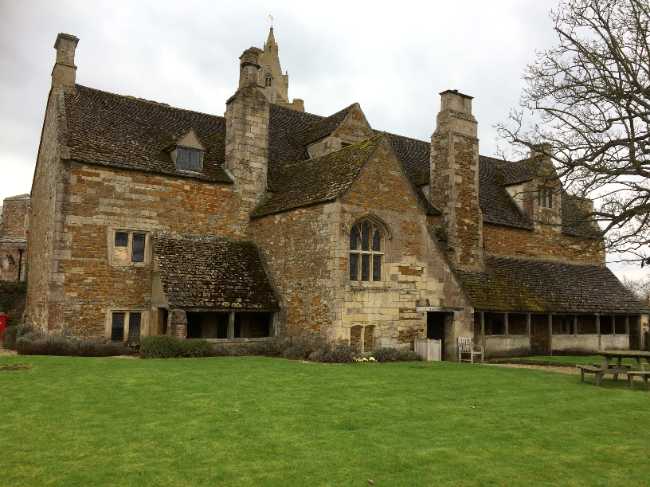
Lyddington Bede House is located in the charming ironstone village of Lyddington in southern Rutland. You can find this fascinating historic building at Bluecoat Lane, Lyddington, Oakham, Rutland, LE15 9LZ. Originally built as a medieval palace for the Bishops of Lincoln, the site was later converted in 1600 into an almshouse for the poor by the Cecil family. Today, visitors can explore the bedesmen's small living quarters as well as the impressive Great Chamber, which features a richly carved wooden ceiling. The surrounding area offers plenty of heritage and cultural sights to discover. Right next door stands St Andrew's Church, a historic parish church known for its rare communion rails and fine medieval stonework. Just a short drive south brings you to Rockingham Castle, a magnificent William the Conqueror fortress perched high on a hill, offering grand state rooms, lovely gardens, and sweeping countryside views. Heading north leads you to the market town of Uppingham, famous for its historic independent shops, art galleries, and traditional stone architecture. Further north lies Rutland Water, where you can visit the picturesque Normanton Church set right by the water or explore the Rutland County Museum in Oakham to learn about regional history. To the east, Kirby Hall provides another brilliant stop, showcasing the romantic ruins and restored gardens of an Elizabethan manor house.