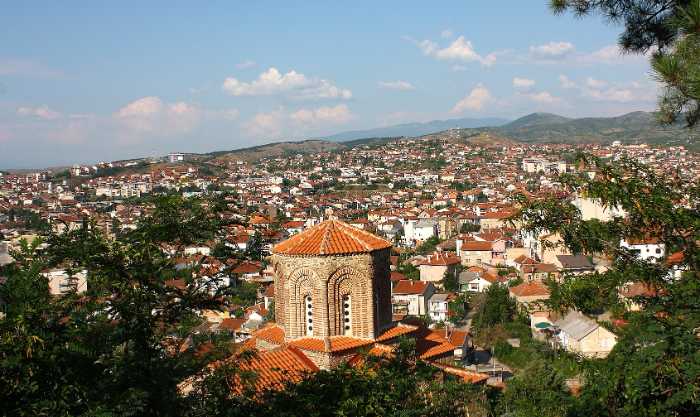
Štip
Štip is one of the oldest cities in North Macedonia, located along the banks of the Bregalnica River in the eastern part of the country. With a history spanning more than two thousand years, the city has been influenced by the ancient Macedonians, Romans, Byzantines, Serbians and Ottomans. Today, Štip is known for its historical monuments, cultural institutions and lively atmosphere, making it an attractive destination for visitors interested in history and architecture. The city's most prominent landmark is Isar Fortress, a medieval castle that rises above Štip on a steep hill. Built on the foundations of earlier fortifications, the fortress offers magnificent panoramic views of the city and surrounding valleys. Visitors can explore the surviving defensive walls, towers and archaeological remains while learning about the fortress's strategic role throughout the Middle Ages. Štip is home to several museums that showcase the region's rich heritage. The Institute and Museum of Štip is the city's principal museum, featuring archaeological finds, ethnographic collections and historical exhibitions covering the area's development from prehistoric times to the present day. The Museum of the Isar Fortress presents artifacts uncovered during excavations on the hill, including ceramics, coins and medieval objects that illustrate daily life within the fortress. Art enthusiasts can also visit the Bezisten Art Gallery, housed inside the restored Ottoman covered market, where exhibitions by Macedonian artists are regularly presented alongside cultural events. One of Štip's most important religious monuments is the Cathedral Church of Saint Nicholas, an impressive Orthodox cathedral admired for its spacious interior, beautiful iconostasis and role as the spiritual center of the city. Another remarkable landmark is the Church of Saint Michael the Archangel, known locally as the Novo Selo Church, famous for its richly carved wooden iconostasis created by master craftsmen during the 19th century. Historic landmarks are found throughout the city. The Bezisten, a well-preserved Ottoman covered marketplace, remains one of Štip's architectural symbols and now serves as a cultural venue. Nearby, the Sultan's Bridge spans the Bregalnica River and reflects the city's Ottoman heritage. Visitors can also explore the ancient archaeological site of Bargala, located a short drive from Štip, where the remains of an early Christian basilica, city walls and Roman streets reveal the importance of this once-thriving settlement. Štip successfully combines medieval fortifications, fascinating museums and remarkable religious architecture with a welcoming atmosphere. From climbing to Isar Fortress and exploring the Institute and Museum of Štip to visiting the Cathedral Church of Saint Nicholas and discovering the ancient ruins of Bargala, the city offers an engaging journey through the diverse history of eastern North Macedonia.
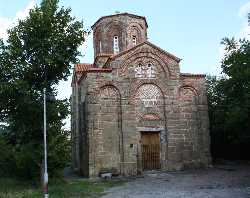 Church
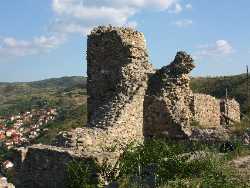 Fortress
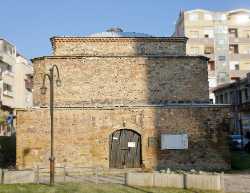 Museum