Isar Fortress
Isar Fortress is the defining landmark of Štip, rising sharply above the town on a rocky hill that has been a strategic lookout for centuries. Its position is extraordinary: from the summit, you can see the entire Bregalnica valley, which explains why ancient settlers, medieval rulers, and Ottoman administrators all fortified this commanding point. Archaeological research shows layers of history—traces of early Christian buildings, medieval ramparts, and later defensive additions—making the fortress a living timeline of Štip’s past. Inside the site, visitors can walk among the remains of towers, gates, and stone walls that once formed a powerful stronghold. One of the most interesting features is the upper plateau, where foundations of older structures reveal how the fortress expanded over time. The climb is steep but rewarding: panoramic views stretch toward the surrounding hills, and Štip’s red‑roofed houses spread out below like a map. The fortress is also tied to local legend. According to tradition, the hill was once home to a noble family whose story became part of Štip’s folklore, adding a romantic layer to the site’s military history. Today, Isar Fortress is both an archaeological monument and a favourite sunset viewpoint.
Štip North Macedonia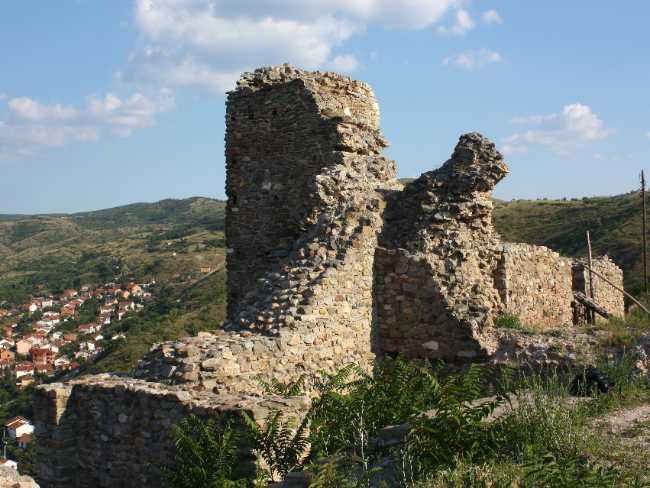
The Isar Fortress, perched on a 150-meter-high granite hill in western Štip, North Macedonia, is the city's defining historic symbol. Resting dramatically on a rocky ridge between the Otinja and Bregalnica rivers, this medieval stronghold offers sweeping panoramic views over the entire valley. Because it is an ancient hilltop ruin, it does not have a standard street address, but you can easily reach the well-marked walking trails that wind up to the fortress directly from the city center or from the historic Novo Selo district at the base of the hill. Right at the foot of the hill lies Novo Selo, one of the oldest neighborhoods in the area, famous for its traditional architecture, narrow streets, and historic sites like the 14th-century Church of Saint Archangel Michael built along the slope. A short walk down into the main town area brings you to the Štip City Museum, where you can explore rich archaeological artifacts and traditional folk exhibits, as well as the Bezisten, a restored 16th-century Ottoman stone market that now serves as an art gallery. Continuing through the town center, you can admire the grand 19th-century Church of Saint Nicholas and the 17th-century Štip Clock Tower. For a quick day trip into the surrounding countryside, the ancient Roman ruins of Bargala sit just a short drive away, making the fortress a great spot to start exploring the region.
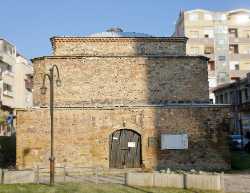 Museum
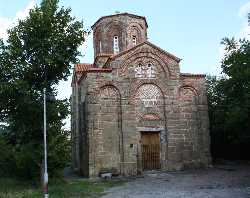 Church