Stavanger
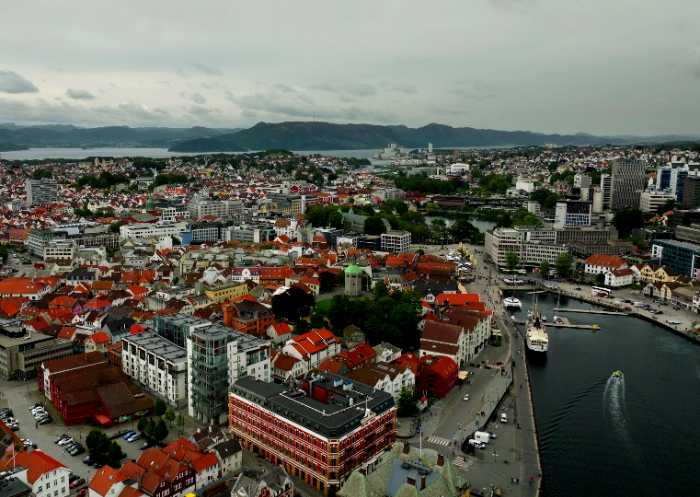
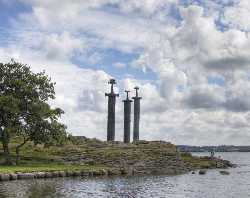
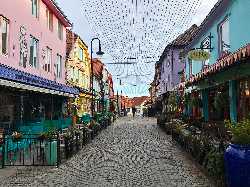
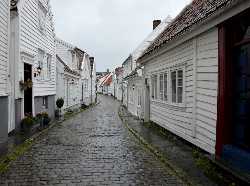
Stavanger is a city of fascinating contrasts, where the charm of a centuries-old fishing village meets the high-tech energy of Europe’s energy capital. Located on the scenic southwestern coast of Norway, Stavanger has transformed itself several times throughout history—from a religious center in the Middle Ages to a global hub for the canning industry, and finally into the prosperous heart of Norway’s oil and gas sector. Despite its rapid economic growth, the city has managed to preserve its historical soul with remarkable care. Nowhere is this more evident than in Gamle Stavanger, the historic old town located just west of the harbor. This area consists of over 170 beautifully restored white wooden houses dating back to the 18th and 19th centuries. Walking through these narrow, cobblestone streets lined with blooming flowers and traditional gas lanterns feels like stepping into a living museum, offering a quiet and pristine sanctuary in the middle of a modern city. In stark contrast to the quiet white walls of the old town is the vibrant Øvre Holmegate, famously known as the "Colorful Street." Once a quiet residential area, every building on this street is now painted in a bold and bright palette of pinks, turquoises, and greens, housing some of the city's most popular independent boutiques and quirky cafés. This area perfectly captures the modern, creative spirit of Stavanger, which has also become an international destination for street art, with murals from world-renowned artists decorating building facades throughout the city. At the center of it all stands the Stavanger Cathedral, the oldest cathedral in Norway, which has remained in continuous use since the 12th century and serves as a grand anchor to the city’s bustling central market and harbor. For those interested in the industry that shaped modern Norway, the Norwegian Petroleum Museum offers a world-class architectural and educational experience right on the waterfront. Built to resemble an oil platform, the museum provides a deep dive into the technological marvels and social impact of the North Sea oil era. However, the true draw for many visitors is Stavanger’s proximity to some of the world's most dramatic natural wonders. The city serves as the primary base for excursions to the Lysefjord, where the famous Preikestolen, or Pulpit Rock, towers nearly 2,000 feet above the water. Whether you are exploring the prehistoric "Sverd i fjell" (Swords in Rock) monument on the city's edge, enjoying the local culinary scene—which includes some of the finest Michelin-starred dining in the country—or embarking on a fjord cruise, Stavanger offers a rich, multi-layered experience that celebrates both the rugged beauty of the Norwegian coast and the sophisticated pulse of a modern European city.
What to see in Stavanger
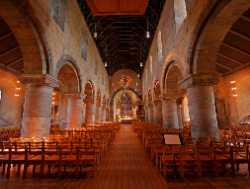 Cathedral
Hetland Church
Cathedral
Hetland Church
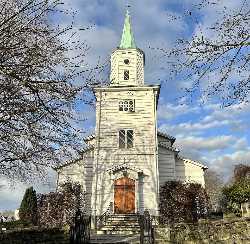 Church
St. Johannes Church
Church
St. Johannes Church
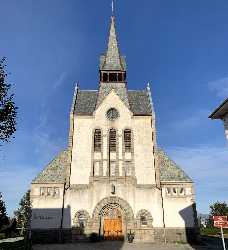 Church
St. Petri Church
Church
St. Petri Church
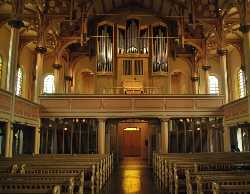 Church
Stavanger Konserthus
Church
Stavanger Konserthus
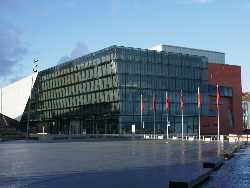 Concert Hall
Sørmarka
Concert Hall
Sørmarka
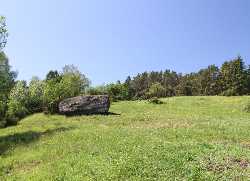 Forest
Stavanger Art Museum
Forest
Stavanger Art Museum
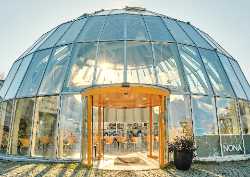 Gallery
Flor og Fjære
Gallery
Flor og Fjære
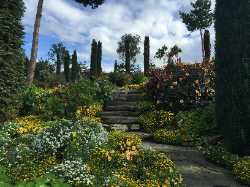 Garden
Mosvannet
Garden
Mosvannet
 Lake
Sverd i fjell
Lake
Sverd i fjell
 Monument
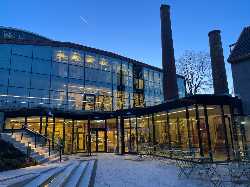
Norwegian Canning Museum
Monument
Norwegian Canning Museum
 Museum
Stavanger City Museum
Museum
Stavanger City Museum
 Museum
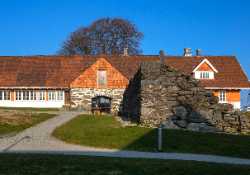
Holmeegenes Museum
Museum
Holmeegenes Museum
 Museum
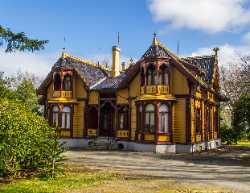
Breidablikk Museum
Museum
Breidablikk Museum
 Museum
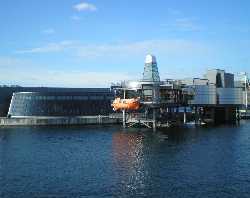
Norwegian Petroleum Museum
Museum
Norwegian Petroleum Museum
 Museum
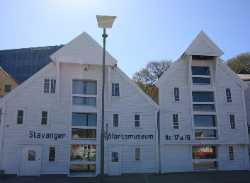
Stavanger Maritime Museum
Museum
Stavanger Maritime Museum
 Museum
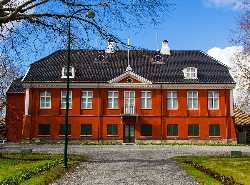
Ledaal Museum
Museum
Ledaal Museum
 Museum
Workers Cottage
Museum
Workers Cottage
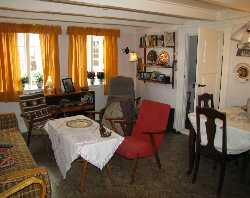 Museum
Kunsthall Stavanger
Museum
Kunsthall Stavanger
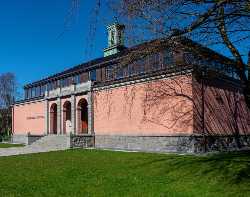 Museum
 of Archaeology
Museum
Museum of Archaeology
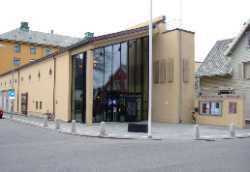 Museum
Reidar Berge Museum
Museum
Reidar Berge Museum
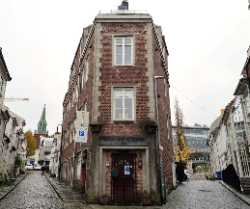 Museum
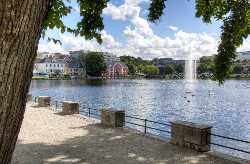
Byparken Stavanger
Museum
Byparken Stavanger
 Park
Øvre Holmegate
Park
Øvre Holmegate
 Street
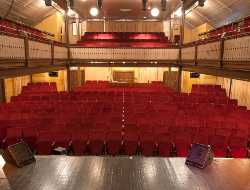
Stavangeren
Street
Stavangeren
 Theatre
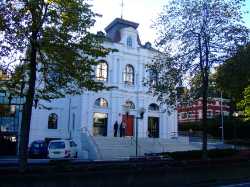
Rogaland Teater
Theatre
Rogaland Teater
 Theatre
Gamle Stavanger
Theatre
Gamle Stavanger
 Tourist attraction
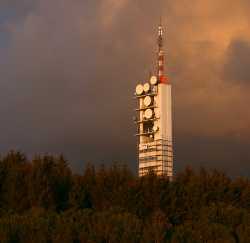
Ullandhaug Tower
Tourist attraction
Ullandhaug Tower
 Tower
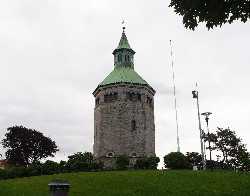
Valbergtårnet
Tower
Valbergtårnet
 Tower
Tower