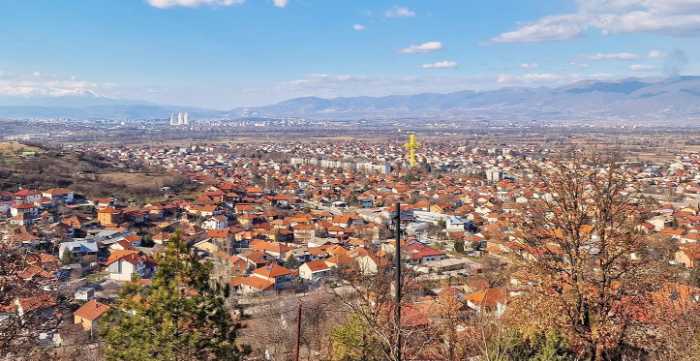
Strumica
Strumica is a vibrant city in southeastern North Macedonia, surrounded by fertile valleys and mountains that have supported settlements since ancient times. Throughout its long history, the city has been influenced by the Romans, Byzantines, Bulgarians, Serbians and Ottomans, creating a rich cultural heritage reflected in its historic landmarks, museums and religious monuments. Today, Strumica is well known for its lively carnival, welcoming atmosphere and excellent access to archaeological and natural attractions. The city's principal museum is the Institute for Protection of Monuments of Culture and Museum – Strumica, which houses archaeological, historical and ethnographic collections illustrating the development of the region from prehistoric times to the modern era. Visitors interested in ancient history can also explore the archaeological exhibitions at the archaeological site of Tsar's Towers, where artifacts uncovered during excavations help explain the importance of this fortified settlement. Another notable cultural venue is the Strumica Art Gallery, which hosts exhibitions by Macedonian artists and presents a varied programme of contemporary and traditional art throughout the year. One of Strumica's most recognizable landmarks is Tsar's Towers, a medieval fortress built on a hill overlooking the city. The remains of defensive walls and towers provide magnificent views across the Strumica Valley and recall the settlement's strategic importance during the Byzantine and medieval periods. Walking trails leading to the fortress make it one of the city's most popular historic attractions. Among Strumica's religious monuments, the Cathedral of the Dormition of the Virgin Mary is one of the city's most important Orthodox churches. Its elegant architecture, richly decorated interior and significant role in local religious life make it a landmark worth visiting. Just outside the city lies the Monastery of Veljusa, officially dedicated to the Holy Mother of God Eleusa, an outstanding 11th-century Byzantine monastery renowned for its remarkably preserved architecture and historic frescoes. The nearby Monastery of Vodoča, dedicated to Saints Leontius and Maurice, is another important medieval religious site with archaeological remains dating back many centuries. Other historic landmarks include the ancient Roman Baths of Bansko, located a short drive from Strumica, where visitors can see the remains of a Roman thermal complex. The city centre also features pleasant pedestrian streets, traditional squares and monuments celebrating its long cultural history. Combining fascinating museums, the impressive Tsar's Towers fortress, beautiful cathedrals and monasteries, and remarkable archaeological sites, Strumica offers visitors an engaging introduction to the diverse history of southeastern North Macedonia while serving as an excellent base for exploring the surrounding region.
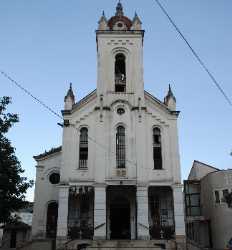 Church
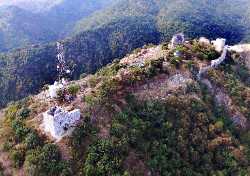 Fortress
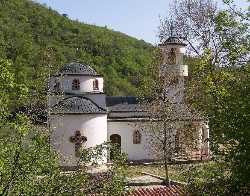 Monastery
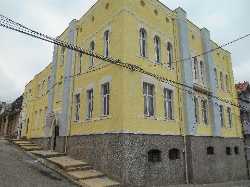 Museum
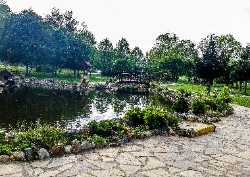 Park
Park