Strumica Fortress
Strumica Fortress, also known as Carevi Kuli, rises above the city like a stone crown, offering one of the most impressive historic panoramas in southeastern North Macedonia. Its origins stretch back to antiquity, but the fortress reached its height during the Byzantine and medieval periods, when it guarded key routes linking the Strumica valley with the wider Balkans. The site’s layered history is one of its most interesting aspects: every excavation reveals traces of different eras, from Roman pottery to medieval defensive walls. Inside the fortress area, visitors can explore restored ramparts, lookout points, and foundations of former towers. The upper plateau offers sweeping views over Strumica and the surrounding mountains, making it clear why rulers chose this strategic hilltop. One highlight is the recently reconstructed gate, which gives a sense of how imposing the fortress once appeared to travellers approaching the city. Scattered around the site are information panels and exposed archaeological sections showing how the fortress evolved over centuries. At sunset, the stone walls glow in warm colours, turning Carevi Kuli into one of Strumica’s most atmospheric viewpoints.
Strumica North Macedonia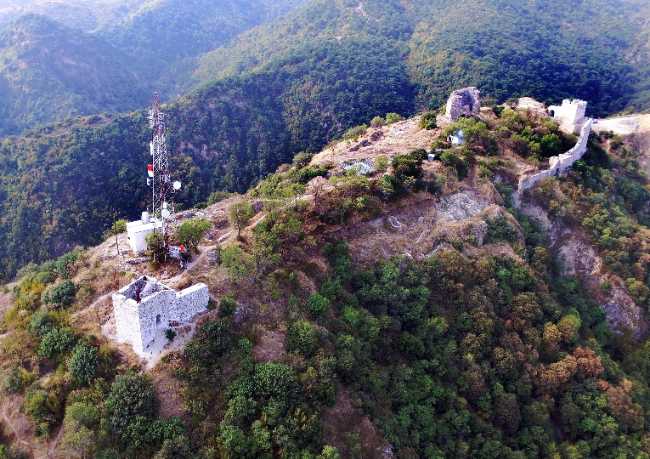
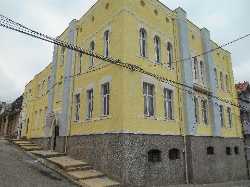
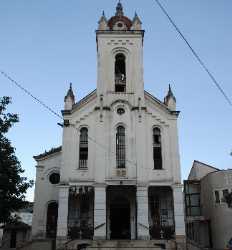
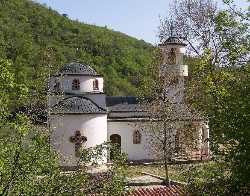
Strumica Fortress, also known locally as Carevi Kuli or Czar's Towers, is an impressive ancient hilltop castle overlooking the town of Strumica, North Macedonia. Positioned on the high ridges of Mount Belasica directly southwest of the city center, the fortress rests near the forest roads rising above the town. While it stands as a ruined archaeological site without a standard street address, visitors typically reach it by following the marked hiking trail from the town center or taking the paved access road leading up from the southern neighborhoods. Its elevated location puts you within easy reach of the main cultural sights down in the city. At the base of the hill and around the center of town, you can visit the NI Institute for Protection of Monuments of Culture and Museum, which showcases ancient artifacts and ethnographic exhibits from the region. Nearby in the town core, you can also see the historic 17th-century Orta Mosque and the ancient ruins of the Machuk urban building, before strolling over to the central Goce Delčev Square. For religious landmarks, the Monastery of the 15 Martyrs of Tiberiopolis and the Church of Saints Cyril and Methodius sit just a short distance away.
 Museum
 Church
 Monastery
 Park
Park