Zrenjanin
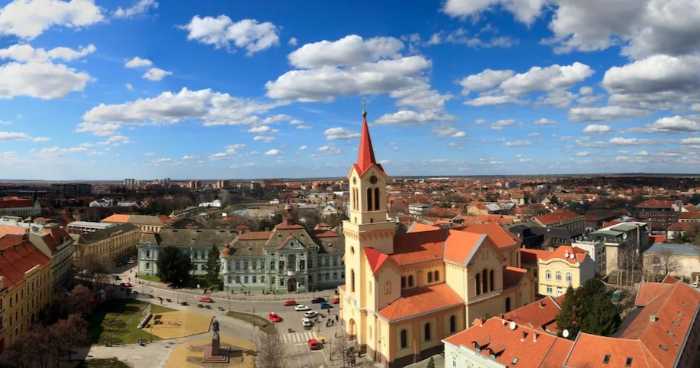
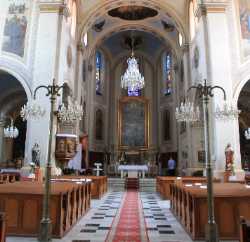
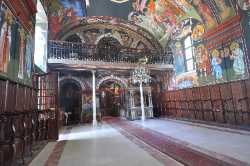
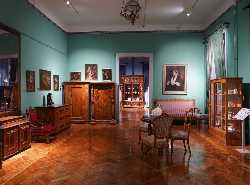
Zrenjanin is a charming city in the Banat region of northern Serbia, known for its elegant architecture, cultural diversity and picturesque setting along the Begej River. Founded in the Middle Ages and shaped by Serbian, Hungarian, Austrian and Ottoman influences, the city has developed into an important cultural and administrative centre of Vojvodina. Its attractive squares, bridges and historic buildings make it an enjoyable destination for visitors interested in history and architecture. The city's cultural heritage is reflected in several fascinating museums. The National Museum Zrenjanin is the largest museum in central Banat, featuring archaeological finds, ethnographic collections, historical exhibitions and works of fine art that illustrate the region's rich past. The Salon of Contemporary Art presents changing exhibitions by Serbian and international artists, while the Gallery of Naive Art displays paintings created in the distinctive style for which the region is well known. Together these institutions provide an excellent introduction to both the history and artistic traditions of Zrenjanin. Among the city's most impressive landmarks is the Cathedral of St. John of Nepomuk, a magnificent Roman Catholic cathedral completed in the nineteenth century. Its twin towers dominate the skyline and its richly decorated interior attracts visitors throughout the year. Nearby stands the Bishop's Palace, an elegant historic building that forms part of the city's architectural heritage. Another important religious monument is the Cathedral of the Assumption of the Virgin Mary, one of the most significant Serbian Orthodox churches in the region. A walk through King Aleksandar I Street reveals beautifully preserved nineteenth-century buildings, while Freedom Square forms the lively heart of the city with cafés, monuments and public events. One of Zrenjanin's most recognizable historic landmarks is the Dry Bridge, an unusual bridge that now spans dry land after the course of the Begej River was altered. The City Hall, County Palace and the impressive Water Tower also contribute to the city's distinctive appearance. Nature lovers can relax beside the Begej River or explore nearby parks that provide pleasant green spaces for walking and recreation. Throughout the year, Zrenjanin hosts cultural festivals, concerts and exhibitions that celebrate the traditions of Banat. Combining excellent museums, impressive cathedrals, elegant historic buildings and unique landmarks such as the Dry Bridge, Zrenjanin offers visitors an engaging journey through the history, culture and architectural heritage of northern Serbia.
 Cathedral
 Church
 Museum
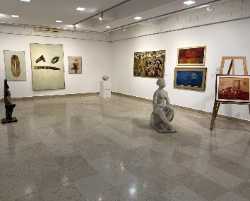 Museum
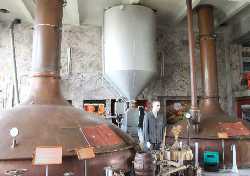 Museum
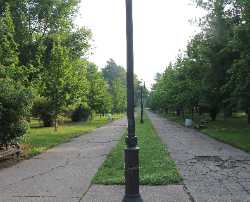 Park
Park
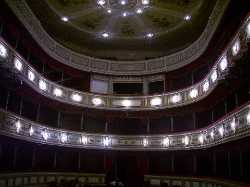 Theatre