National Museum Zrenjanin
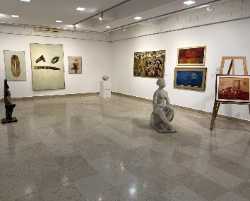
National Museum Zrenjanin is one of the largest and most diverse regional museums in Serbia, housed in a striking Neo‑Baroque building that once served as the city hall. Its elegant façade, decorated with sculptural details and a grand clock tower, makes it one of Zrenjanin’s architectural highlights even before you step inside. The museum’s collections span archaeology, ethnology, natural history, art, and city heritage, offering a rich cross‑section of life in the Banat region. One of the most interesting features is the archaeological display, where visitors can see Roman artefacts, medieval jewellery, and objects from prehistoric settlements that once thrived along the Begej River. The ethnology section presents traditional Banat interiors, colourful folk costumes, and tools that reveal how diverse communities—Serbs, Hungarians, Romanians, Slovaks—shaped local culture. Inside, the natural history exhibits showcase rare specimens of Banat’s flora and fauna, including an impressive bird collection. The art gallery holds works by Serbian painters of the 19th and 20th centuries, alongside pieces by European artists who influenced the region’s cultural development.
Zrenjanin Serbia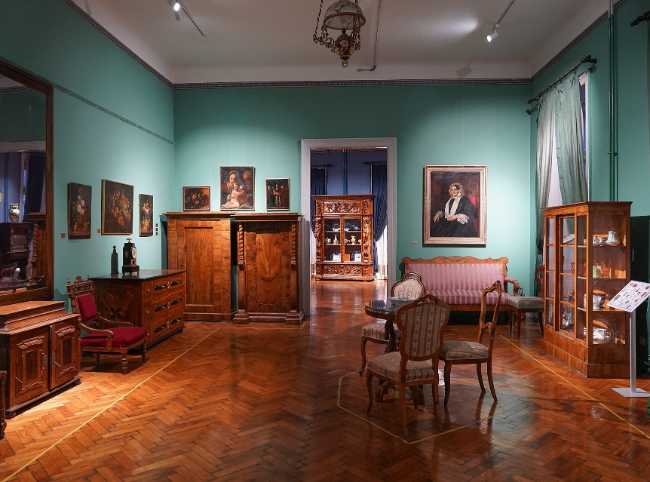
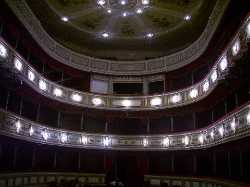
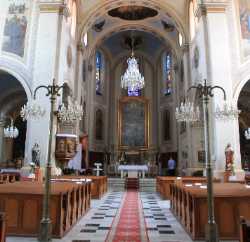
Its prime position on the main city square makes exploring the surrounding historic landmarks wonderfully convenient. Right on Freedom Square, you will find the striking Zrenjanin City Hall, built in neo-baroque style, and the majestic Roman Catholic Cathedral of Saint John of Nepomuk. Just steps away sits the National Theatre Toša Jovanović, housed in Serbia's oldest theater building dating back to 1839, as well as the Contemporary Gallery Zrenjanin. A short walk toward the Begej River reveals the monumental Palace of Justice, another architectural gem from the Austro-Hungarian era. Nearby, you can also view the famous Dry Bridge, a unique local curiosity that lost its river after urban redevelopment. With its central location surrounded by grand palaces, churches, and historic venues, the museum serves as a perfect starting point for discovering Zrenjanin.
 Museum
 Museum
 Theatre
 Cathedral
 Church
 Park
Park