Pontefract Castle
Pontefract Castle in West Yorkshire is one of England’s most storied fortresses, once described as “the key to the North” for its strategic importance. Founded in the 11th century and later expanded into a powerful medieval stronghold, it became infamous as the place where King Richard II died in captivity in 1400, a fact that has fuelled centuries of debate and legend. The castle also played a major role in the English Civil War, enduring three brutal sieges before being demolished on Parliament’s orders. Inside the grounds, visitors can explore the atmospheric dungeons, where prisoners were held during the Civil War. The underground magazine is a highlight, revealing the scale of the castle’s military operations. Interpretive displays trace the site’s evolution from Norman fortress to Tudor palace, including its connection to the powerful Dukes of Lancaster. The remains of the great hall and towers offer striking views and a sense of the castle’s former grandeur. One of the most interesting facts is that Pontefract once produced its own coinage during the Civil War, asserting royalist authority even under siege. Another standout is the rediscovered Barbican, uncovered through recent archaeological work. Today, the castle blends dramatic ruins, rich storytelling and open green spaces, making it a compelling stop for history enthusiasts.
Pontefract United Kingdom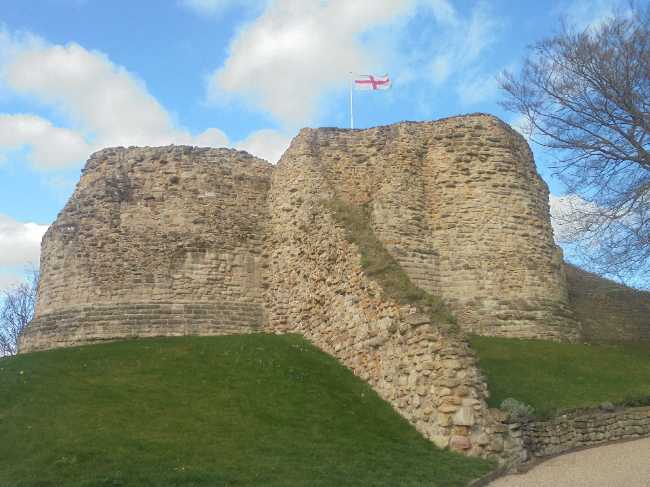
Pontefract Castle sits right in the heart of the market town of Pontefract in West Yorkshire. You’ll find it on Castle Chain, Pontefract, West Yorkshire, WF8 1QH, just a short stroll from the town centre. The ruins themselves are the main draw, with their dramatic keep, chapel remains and underground dungeon that once held prisoners during the Civil War. Right next door stands All Saints’ Church, its own medieval shell still standing after the same sieges that wrecked the castle. A few minutes’ walk into town brings you to Pontefract Museum, housed in a lovely old Carnegie library building. It tells the story of the place from its early days through liquorice-making and the first secret ballot in Britain. A little further out, about a mile away, is Pontefract Racecourse, one of the oldest flat tracks in the country and a pleasant spot for a day at the races. Roughly four miles southwest you’ll reach Nostell Priory, a grand National Trust house with fine interiors and gardens. A bit further still, around eight miles, lies Sandal Castle near Wakefield, another ruined fortress with its own interesting past.
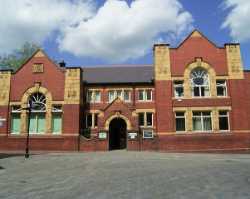 Museum