RAF Defford Museum
RAF Defford Museum, set within the historic surroundings of Croome, tells the story of one of Britain’s most important centres for airborne radar development. During the Second World War, RAF Defford became a hub of secret experimentation, where scientists and aircrews worked together to pioneer technologies that would transform navigation, detection and defence. Many breakthroughs tested here later shaped civil aviation and modern electronics. Inside the museum, visitors can explore detailed displays on radar innovation, including original equipment, prototype components and interactive explanations of how airborne systems evolved. Personal stories from engineers, pilots and WAAF operators add a human dimension, revealing the pressures and ingenuity behind wartime research. A highlight is the reconstructed operations room, showing how missions were planned and monitored. The museum also preserves parts of aircraft used for trials, along with photographs documenting Defford’s role in developing the H2S radar, a major advance in night bombing accuracy.
High Green United Kingdom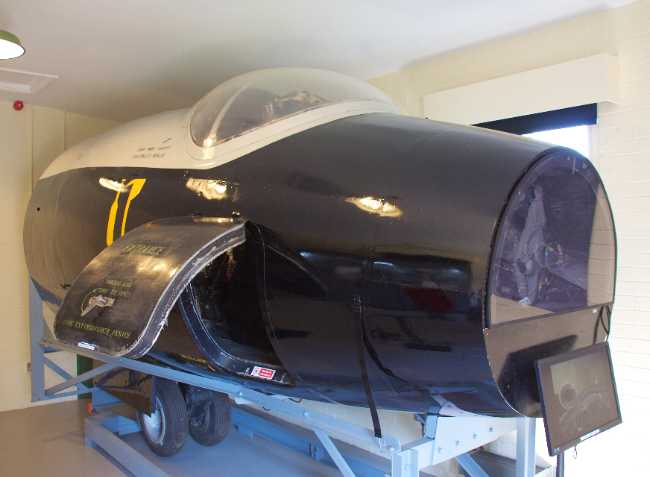
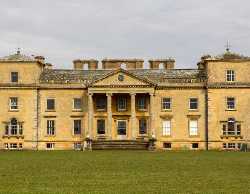
RAF Defford Museum is set within the grounds of the National Trust’s Croome estate in Worcestershire, near High Green, Worcester, WR8 9DW. It occupies restored wartime buildings that once formed part of the secret RAF airfield that covered much of the parkland during the Second World War and the early Cold War years. While you’re there you can explore Croome Court itself, the elegant neo-Palladian mansion and its Capability Brown landscape that surround the museum. A short drive takes you to the pretty market town of Pershore with its fine abbey, or into Worcester for the cathedral, The Commandery and the Museum of Royal Worcester. The Malvern Hills lie a little further west if you fancy a walk with wide views, and the riverside town of Upton-upon-Severn offers a quieter historic atmosphere. It’s an easy base for combining wartime stories with classic English country-house and cathedral sightseeing.
 Palace