Dunfermline Palace
Dunfermline Palace is one of Scotland’s most significant royal residences, closely tied to the medieval and early‑modern monarchy. Built alongside the great Benedictine abbey, it became a favoured home of the Stewart kings, and several royal births took place here, including that of Charles I. Though partly ruinous today, the surviving interiors still convey the scale and prestige of a palace at the heart of Scottish power. Inside, the great hall is the most impressive surviving space. Its long rectangular form, tall windows and thick masonry hint at the grandeur of royal feasts, diplomatic gatherings and ceremonial occasions. The royal apartments, though fragmentary, preserve fireplaces, doorways and wall lines that help you imagine the private world of monarchs who lived and governed from Dunfermline. The kitchen range offers a vivid glimpse into daily palace life. Massive hearths, serving areas and stone floors reveal the scale of the operation needed to feed a royal household. The tower house, with its narrow stairways and defensive character, reflects the palace’s earlier medieval origins before it became a more refined residence.
Dunfermline Scotland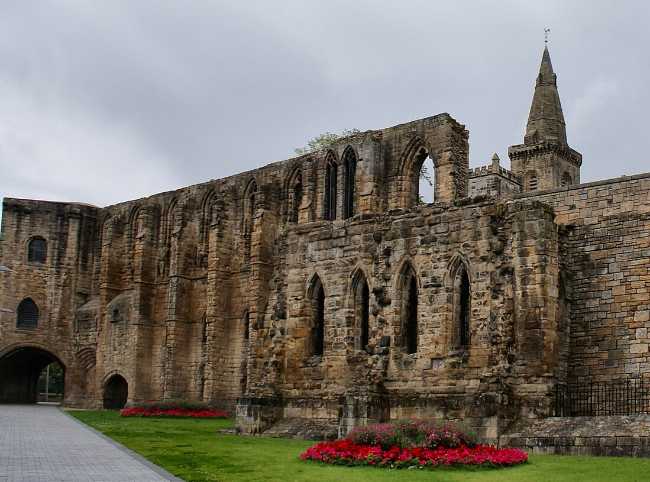
Dunfermline Palace sits in the heart of historic Dunfermline, the ancient capital of Scotland located in the county of Fife. You can find the impressive royal palace ruins at St Margaret's Street, Dunfermline, Fife, KY12 7PE. Directly connected to the palace grounds is Dunfermline Abbey, the famous resting place of Robert the Bruce and numerous medieval Scottish monarchs. Just across the lane sits Abbot House, a charming bright-pink historic building and museum detailing local heritage. A few steps further brings you to the Dunfermline Carnegie Library and Galleries, an excellent modern museum and culture hub showcasing regional history and art collections. For industrial history, the Andrew Carnegie Birthplace Museum is right down the road, offering a look into the early life of the world-famous philanthropist. The palace ruins also border Pittencrieff Park, where you can explore Pittencrieff House Museum and enjoy lovely landscaped gardens. A short drive outside the city leads to other iconic Fife sites, such as the historic village of Culross with its 16th-century Culross Palace, or the grand fortress of Blackness Castle located just across the Firth of Forth.
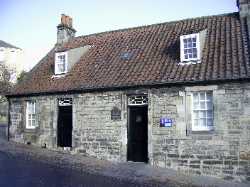 Museum
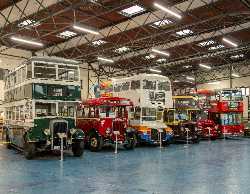 Museum
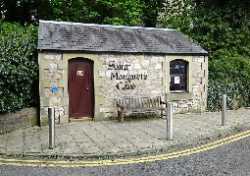 Museum