Castle Sinclair Girnigoe
Castle Sinclair Girnigoe, set on a dramatic clifftop north of Wick, is one of the Highlands’ most impressive and atmospheric ruins. Once the power base of the Earls of Caithness, it combines two adjoining structures: the older Castle Girnigoe, begun in the late 15th century, and the later Sinclair extension added around 1600. Its history is filled with clan feuds, sieges, and political intrigue, including the notorious imprisonment of the Earl’s own son within its walls. Although roofless, the remains are extensive and richly textured. Visitors can explore the outer courtyard, where defensive walls cling to the cliff edge, and trace the outlines of storerooms, kitchens, and chambers. The most striking feature is the narrow bridge that once formed the castle’s main entrance, originally a drawbridge spanning a deep rock-cut ditch. Inside the core tower, fragments of vaulted ceilings and window recesses reveal how substantial and sophisticated the residence once was. The site’s setting is unforgettable. Waves crash below the sheer cliffs, seabirds wheel overhead, and the castle’s jagged silhouette stands against the North Sea. Ongoing conservation work has stabilised key sections, allowing safe access while preserving its raw medieval character.
Wick Scotland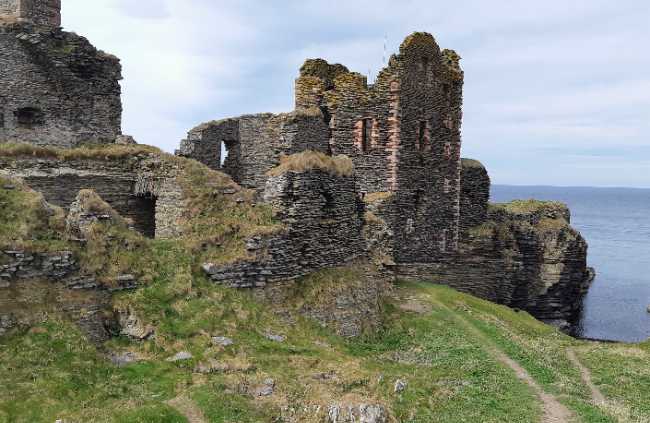
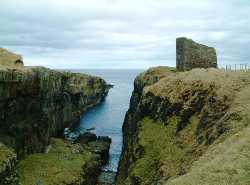
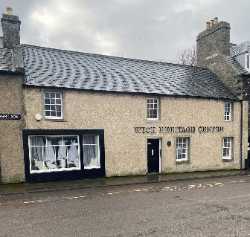
Castle Sinclair Girnigoe is a spectacular complex of medieval and Renaissance ruins dramatically perched on cliff tops jutting out into the North Sea in the Scottish Highlands. You can find it resting on the Sinclair's Bay coastline, roughly three miles northeast of the town of Wick in Caithness. For satnav or map navigation, the nearest postal address is Castle Sinclair Girnigoe, near Noss Head, Wick, Caithness, Highland, Scotland, KW1 4QT. The surrounding coastal region of Caithness is filled with historic landmarks, ancient ruins, and local heritage attractions. Just a short walk from the castle along the coastal path stands Noss Head Lighthouse, offering striking views over the rugged sea cliffs. Head into nearby Wick to explore The Wick Heritage Museum, which documents the area's rich fishing history, or tour the historic Old Pulteney Distillery. On the southern side of the town, you can visit the ancient cliffside tower of the Castle of Old Wick.If you drive slightly further south, you can descend the historic Whaligoe Steps cut into the sea cliffs or visit the prehistoric stone mounds known as the Grey Cairns of Camster. Traveling north toward John o' Groats brings you to the dramatic sea stacks at Duncansby Head, as well as the Castle of Mey, the former Highland residence of Queen Elizabeth The Queen Mother.
 Castle
 Museum