Cromer Windmill
Built in 1753, the mill has stood for more than 270 years. Unlike many surviving windmills that have lost much of their original character, Cromer Windmill retains a remarkable amount of historic machinery. Its tall brick tower, traditional cap, and striking sails create an impressive sight, while the interior offers visitors a fascinating insight into the world of traditional flour milling. The mill worked for generations, harnessing the power of the wind to grind locally grown grain into flour for surrounding communities. Inside, visitors can explore several levels of the mill, discovering how wind energy was converted into mechanical power. Massive wooden gears, drive shafts, and millstones demonstrate the ingenuity of eighteenth- and nineteenth-century engineering. The craftsmanship is particularly impressive, with many of the original wooden components carefully preserved and restored. One of the most interesting aspects of a visit is learning about the daily lives of the millers who operated the machinery. Information displays explain the challenges of working with unpredictable winds, maintaining complex equipment, and supplying flour to local markets. As visitors climb higher through the structure, they gain a better understanding of the mill’s operation and the importance it once held within the rural economy.
Cromer United Kingdom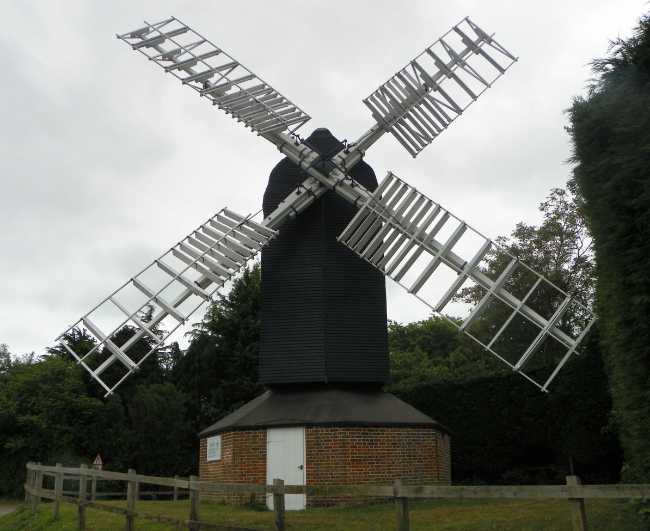
Cromer Windmill stands in the quiet hamlet of Cromer in Hertfordshire, a few miles north-east of Stevenage on the B1037. You’ll find it at Cromer, Stevenage, SG2 7QE, set on a small mound just outside the village near Ardeley.This is Hertfordshire’s only surviving historic windmill, a Grade II* listed post mill dating from 1681. The whole wooden body turns on a central post so the four sails can face the wind. It has been carefully restored over the years and, when the breeze is right, the sails still turn. Volunteers open it on selected summer afternoons so you can step inside, see the machinery and try a hand quern for yourself.A short drive takes you into the nearby village of Ardeley, and a little further brings you to Knebworth House with its striking Gothic exterior, gardens and parkland. Stevenage Museum offers a look at local history, while Shaw’s Corner at Ayot St Lawrence was the home of George Bernard Shaw and remains much as he left it. Further afield but still an easy trip is Hatfield House, the grand Jacobean palace with its extensive grounds. Hitchin and the pretty village of Ashwell also lie within reach for a gentle day of exploring.
 Museum